

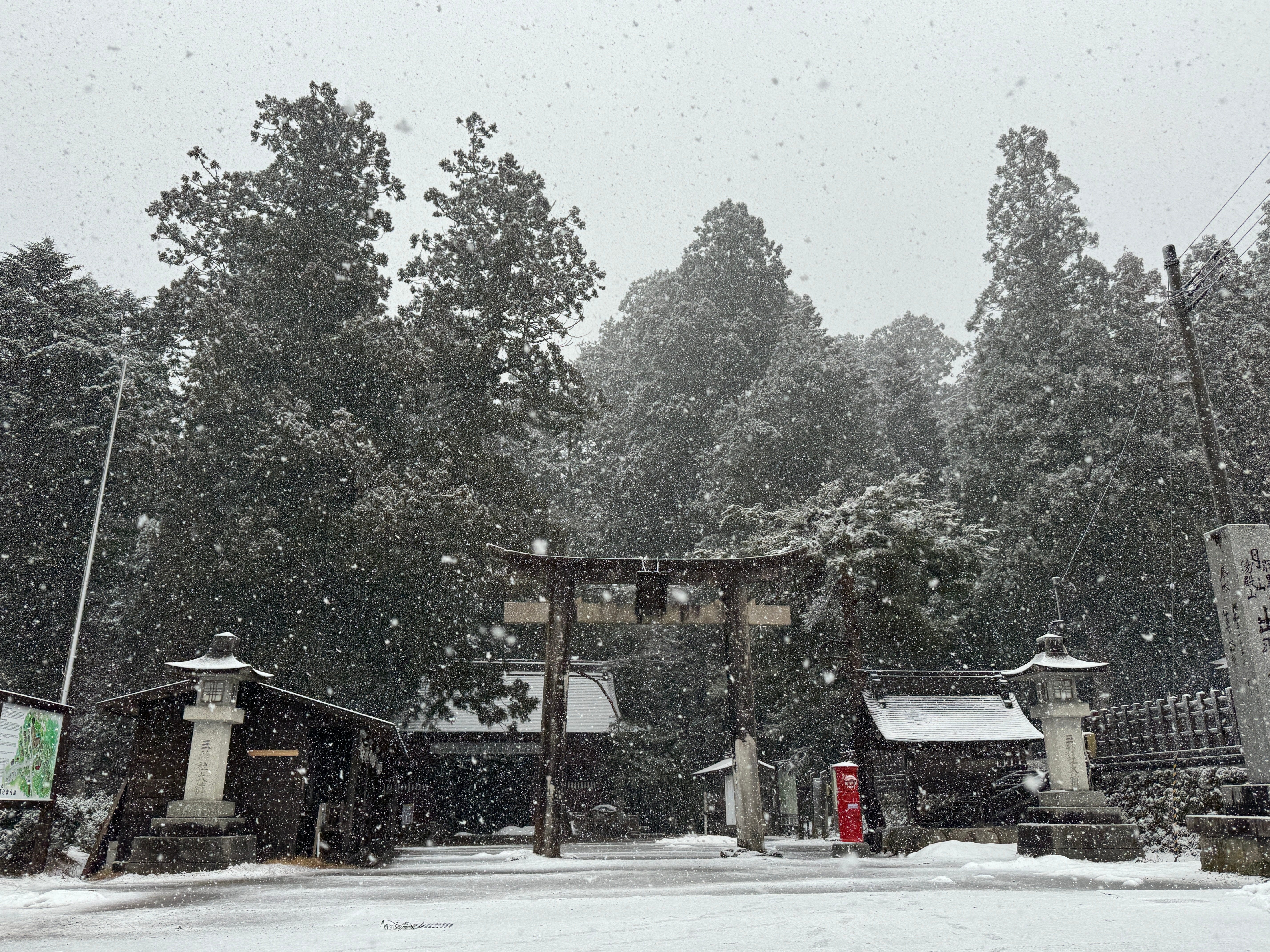
We had our first snow of the year the other day, so naturally I tried making a snowman.
Tried.
I couldn’t do it.
Every time I went to place the head on top of the torso it split in my hands then proceeded to ruin the man I had already made.
Every. Single. Time.
Was I doing it wrong? Was I missing something to the simple task of creating a snowman?
If only I had known
there’s a Japanese art for that.
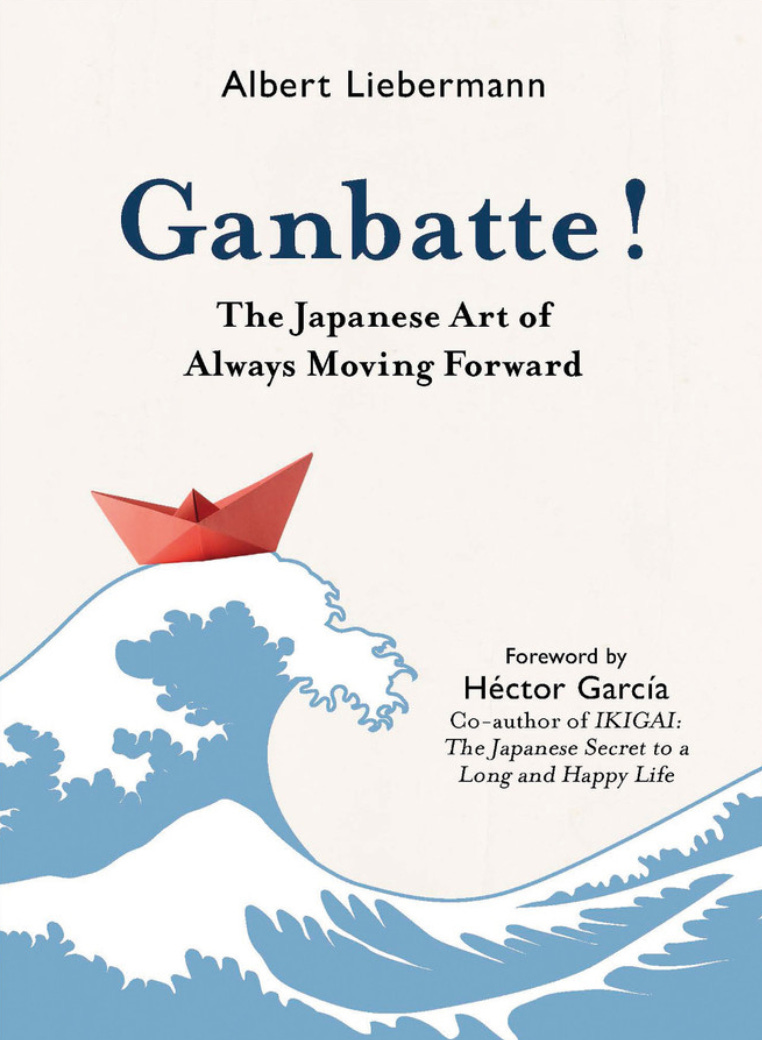
Like Ikigai, Wabisabi, Shinrinyoku, and Ganbatte: The Japanese Art of Always Moving Forward, it turns out there is a Japanese art for creating people out of snow.
It’s called:
Yukidaruma.
From the words Yuki (yoo-ki), and Daruma (duh-roo-mah).
Yuki meaning snow, and Daruma meaning Daruma.
This guy.
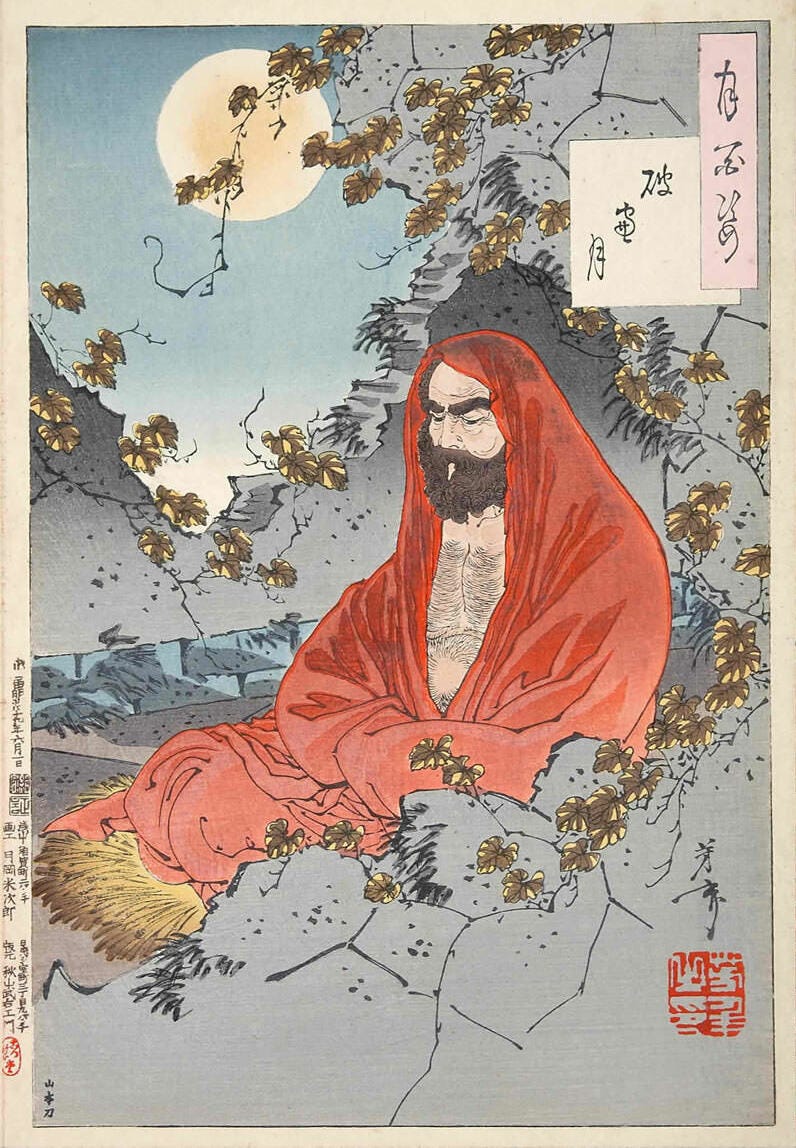
Bodhidharma. The dude long held responsible for bringing Chan Buddhism (AKA Zen) to China, and also the founder of Shaolin Kung Fu.
Wow. Such cool.
(Seriously, that is pretty cool.)
Or, you may have also seen him before like this:
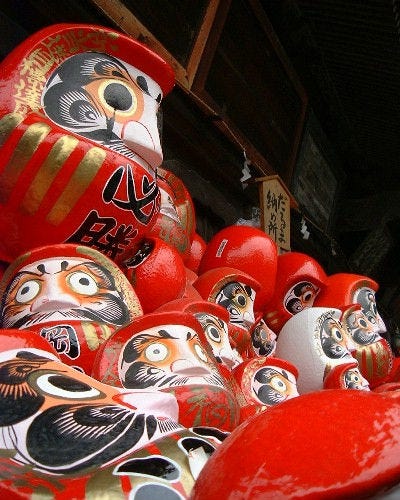
Or this:
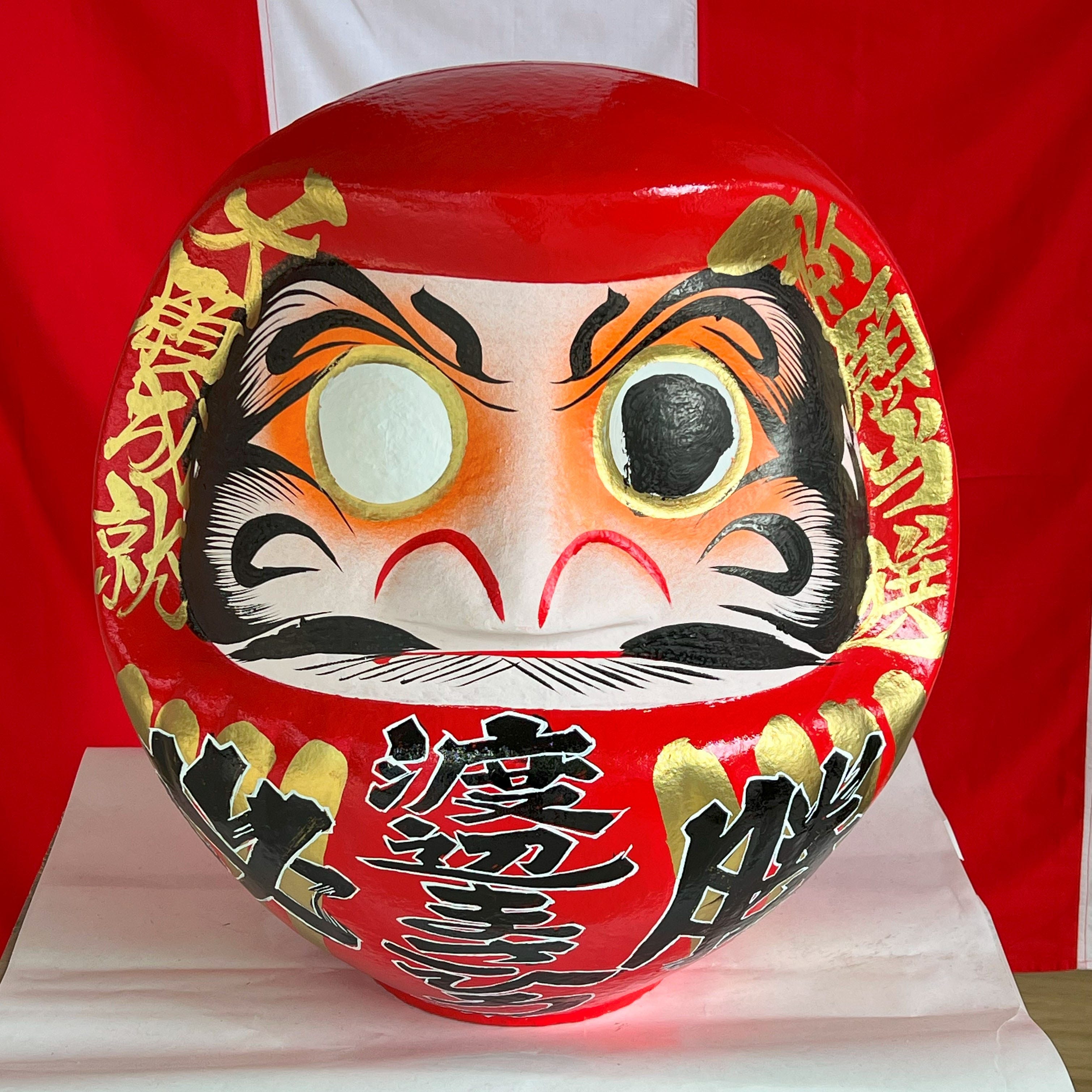
If you need any more reasons why the snow Daruma are awesome and you should blindly follow any remotely Japanese concept, for starters, Yukidaruma is the Japanese word for snowman.
It’s Japanese!
So there’s that.
Also, the no arms no body thing is because Bodhidharma’s arms and legs atrophied while he was meditating endlessly. Plus, he also apparently cut off his eyelids so he could stay in a state of meditation forever.
That’s dedication.
In fact, this is where the Japanese custom of drawing eyes on Daruma came from (or so I guess). One when you set your goal, and one when you’ve achieved it.
Even better!
Plus, when it comes to the snow Daruma, Yukidaruma are different from western snowmen because of one crucial fact:
They have one less ball
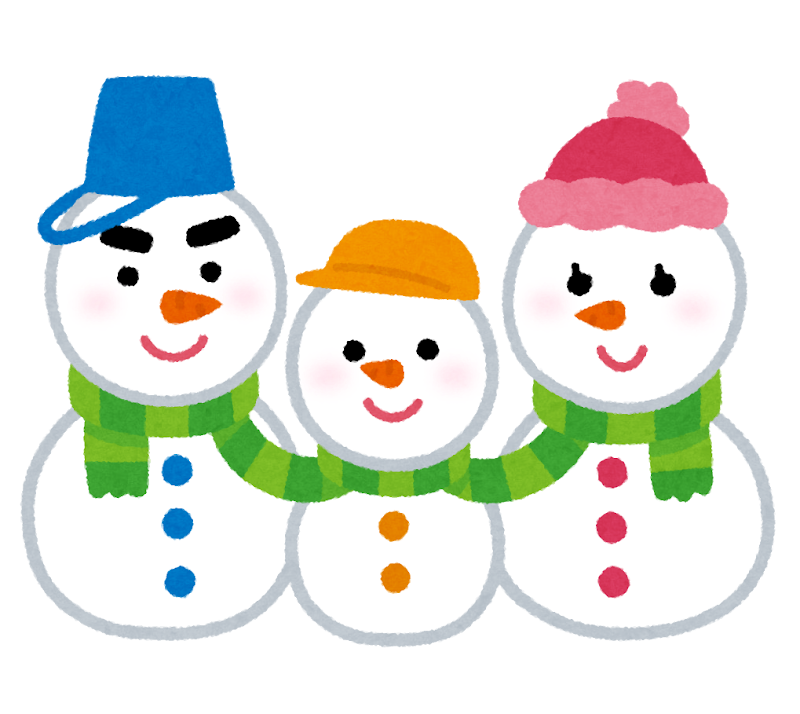
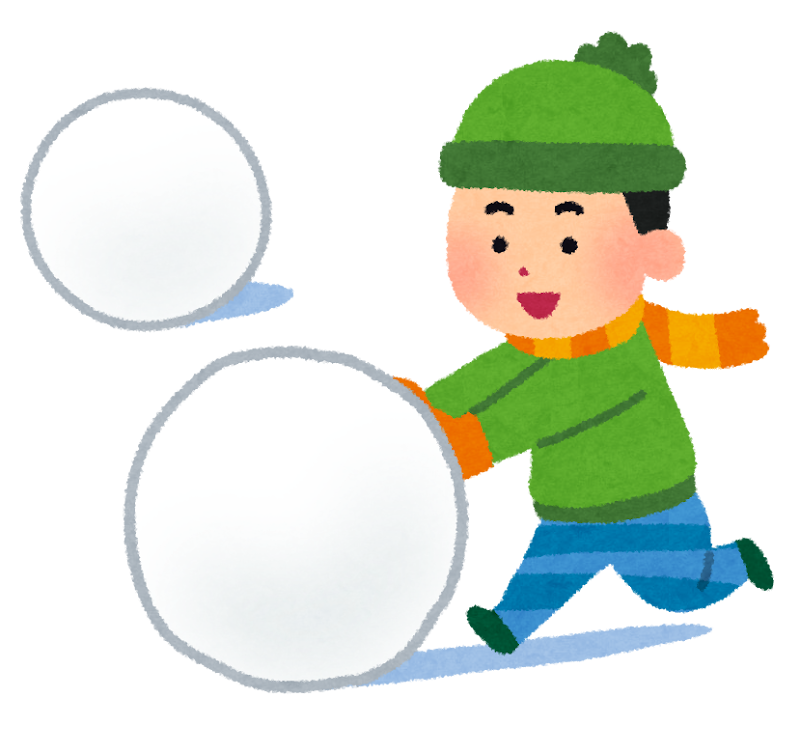
They’re made with two balls. Why roll three balls of snow when two will clearly suffice. One less thing to worry about, and one less chance of having your snowman ruined.
What more could you ask for?
Japanese?
Check.
Slightly different than an English equivalent?
Check.
Interesting backstory?
Check. Check. Check.
And there you have it, Yukidaruma: The Japanese Art of Always Building Snowmen With Two Balls Instead of Three Because Why Waste Your Time and Energy?
Or, as I like to call it,
Yet Another Japanese ‘Art’ you Should Blindly Follow on the off Chance You’ll Gain Something From it.
The end.
I apologise for this. (Kind of)
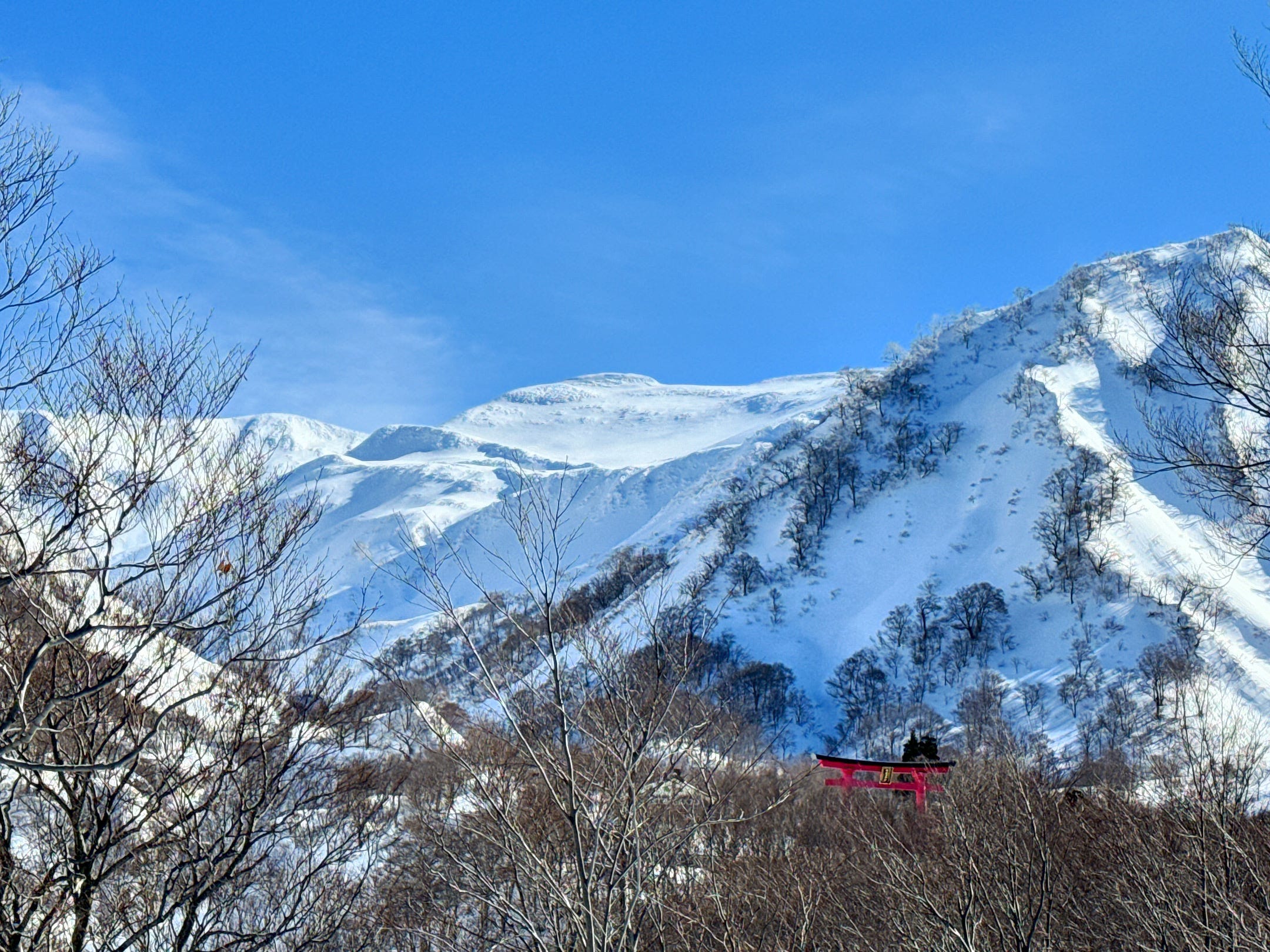
I actually wrote it last week but didn’t have the balls (ahem) to publish it. If you gain from all these Japanese concepts, then good for you! I’m just saying that maybe you should take them with a Daruma-sized grain of salt. These are merely western interpretations of Japanese concepts, and a lot of the time Japanese people themselves don’t even follow them, only a niche subset do!
This all started because I found out about that Ganbatte book, and long story short, it really rubbed me the wrong way. There is a very valid reason why we don’t use this term in English, or at least, not as much as we use it in Japanese.
For starters, Ganbatte is just the Japanese term for ‘to do your best’ said as a mere form of encouragement to people trying to do something.
Nothing more, nothing less.
And in fact, Japanese people were criticised harshly for using Ganbatte in the aftermath of The 2011 Tōhoku earthquake and tsunami.
Why?
Because it shows division. It separates the sayer from the doer. To say ‘do your best’ to someone who is already doing their best is nothing short of condescending. To say it to someone whose whole life has been upturned by, I don’t know, the most powerful earthquake Japan has ever seen and the 40.5m-high Tsunami waves it caused is nothing short of inhuman.
And then someone had the nerve to make a book about it?
No thanks.
That’s why it was changed from ‘Ganbatte Tohoku’, or “do your best, Tohoku”, to ‘Ganbaro Tohoku’, “let’s all do our best for Tohoku”.
Much better.
P.S. Ganbatte is not pronounced “gan-ba-tay”. English speakers reading this would pronounce ‘gan’ to rhyme with Anne, when it is pretty much just the word ‘gun’. The ‘ba’ is probably right, like the first part of the word ‘but’. But the te is nothing like ‘tay’. The Japanese ‘e’ sound is very short, like the ‘e’ in egg (if you know Māori it’s very easy). (And if we’re getting extremely technical, we don’t breathe out when we say the ‘t’ as we do in English, but this would just fly over the heads of anyone reading who hasn’t actually studied how to teach English pronunciation…)