
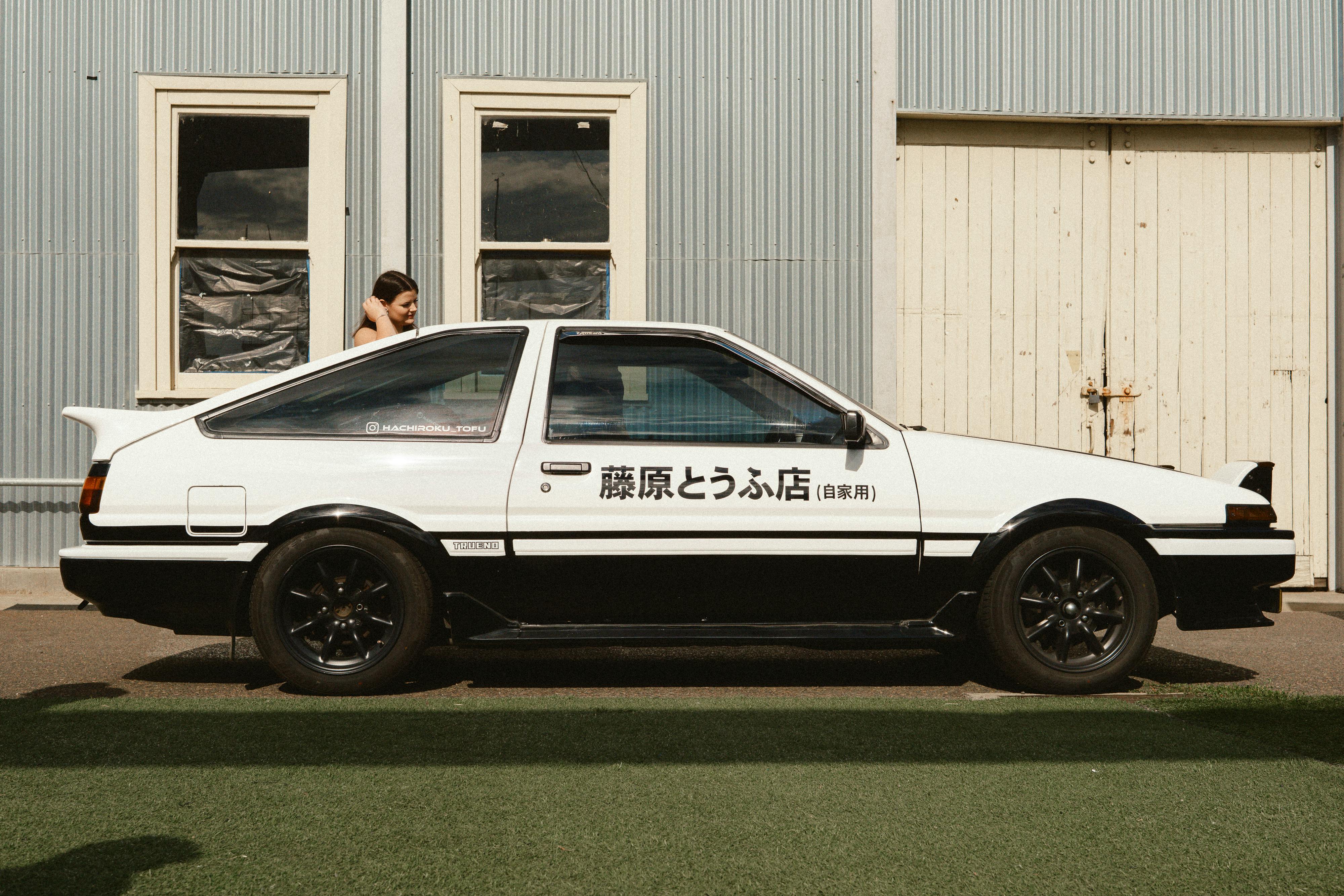

You learn a lot when you own a Japanese car. Most of it trivial, but the learning never stops.
Take my Japanese-speaking Kiwi friend, for example. The other day, he got into his imported Nissan Leaf, turned the ignition on, and was greeted by a pleasant female voice:
“今日は2月28日です。ビスケットの日です。”
“Kyo wa nigatsu nijuhachi-nichi desu. Bisuketto no hi desu.“
“Today is February 28. Biscuit Day.”
Biscuit Day!
A day for all things biscuit in Japan! What more could we want?
Alas, the soothing Japanese voice failed to answer the age-old question: are we talking about proper biscuits, or the scone-like monstrosities Americans call biscuits1?
Both, apparently.

But why biscuits? And why the need to inform us?
Why Do Japanese Cars Talk?
This wasn’t the first time someone had asked me why their Japanese car insists on speaking. The simple answer? Japanese cars love to talk to you. Something about being polite and hospitable or something.
In fact, if you’ve ever walked down a street in New Zealand, you might have suddenly heard:
右に曲がります。ご注意ください。
“Migi ni magarimasu. Go chui kudasai.”
As if oblivious Kiwis were expected to understand that the truck was turning right and heed the warning.
But it’s not just cars.
It’s appliances too.
For example, my stove informs me when the timer is up or if I’ve spilled something. My bath plays a cheerful jingle and announces when it’s full.
Forget Japanese toilets.

Japanese baths are where it’s at. The auto-filling feature?
Life-changing!
The talking though? The talking we can do away with.
Unless, of course,
it’s telling me about Biscuit Day.
Which begs the question, why is February 28 Biscuit Day?
I was intrigued, so I looked it up. It turns out that the answer, as always in Japan, lies in the date.
If you know Latin, French, or the etymology of biscuit (anyone? genuinely curious), you might already see where this is going.
Biscuit comes from bis coctus—bis meaning twice, coctus meaning baked. The French cuit also means baked.
Twice-baked = bis cuit!
Now, let’s break down February 28, the 28th day of the second month of the year (for those who forgot).
In Japanese, 2 is ni. Two 2s? That’s 2 times 2—a nod to the twice-baked process.
But what about the 8? Well, another reading of 8 is ya (as in Yakuza). And yaku also happens to be the Japanese word for “to bake.”
See where this is going?
2-2-8 = Twice-baked = bis cuit!
And if that wasn’t weird enough, according to the National Biscuit Organisation of Japan (yes, that’s a thing), February 28, 1855, was supposedly the date the first letter was sent to Japan about biscuit-making2.
Would’ve been nice if my car just told me that from the start.