
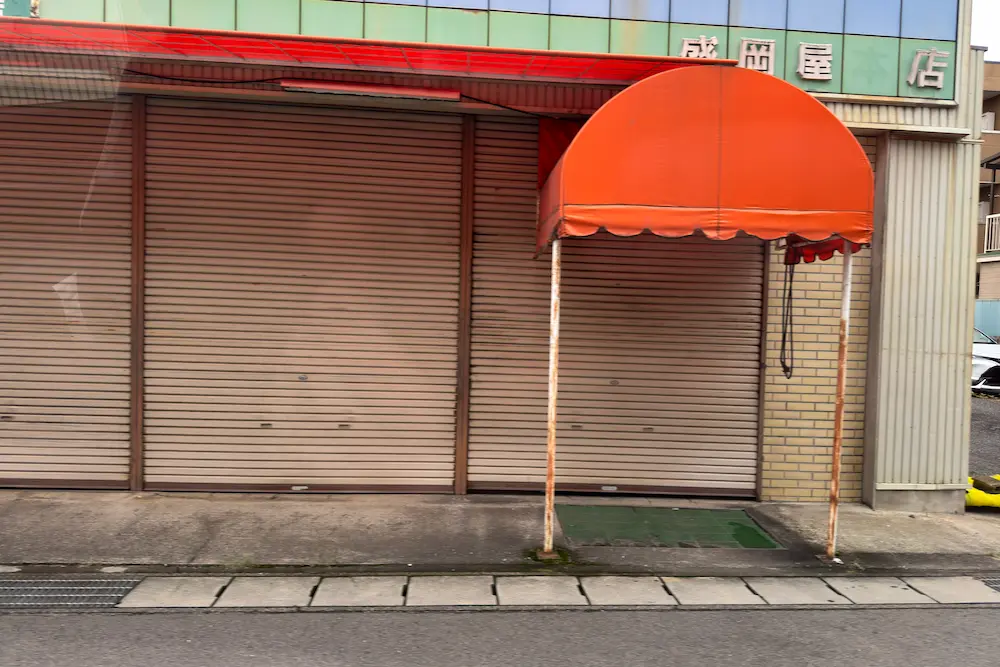
Drains.

Drains, on the side of the road specifically.
Or as they’re called in Japan,
‘Gaijin Traps’.
Now, I’m not going to get into an argument about the word Gaijin, the somewhat derogatory term for a ’foreigner’ in Japan. This article is about the Gaijin trap, a completely separate issue foreign residents of Japan know about all too well.
What is it about Japanese drains that makes them so special non-Japanese people feel have a special name for them?
And more importantly,
why is that name ‘trap’?

Well for starters, they’re in the ground, like your common ‘thin twigs and leaves over a massive hole’ traps.
But the thing with Gaijin traps is that they are also visible. You can see them. You know they’re there.
So why do so many people get caught in them?
Probably because no-one would ever expect there to be gaping holes on the sides of roads. But this is Japan we’re talking about, where seemingly nothing is normal.
However

However, today I’m not going to talk about my Canadian friend who was hospitalized after falling into a Gaijin Trap and grazing their leg so badly you could see the bone, or my Australian friend whose car got trapped in one and required a few other Gaijin to lift it out.
Today, I’m going to talk about another unsuspecting way Gaijin traps can catch Gaijin. Or at least, one way in which this Gaijin got trapped.
Culturally.
Now, I live in a nice neighborhood in a rural Japanese city. The people around me are all law-abiding citizens,
to a fault.
There’s a saying in Japan; ‘on time is five minutes late’. And I would believe it.
Case in point:
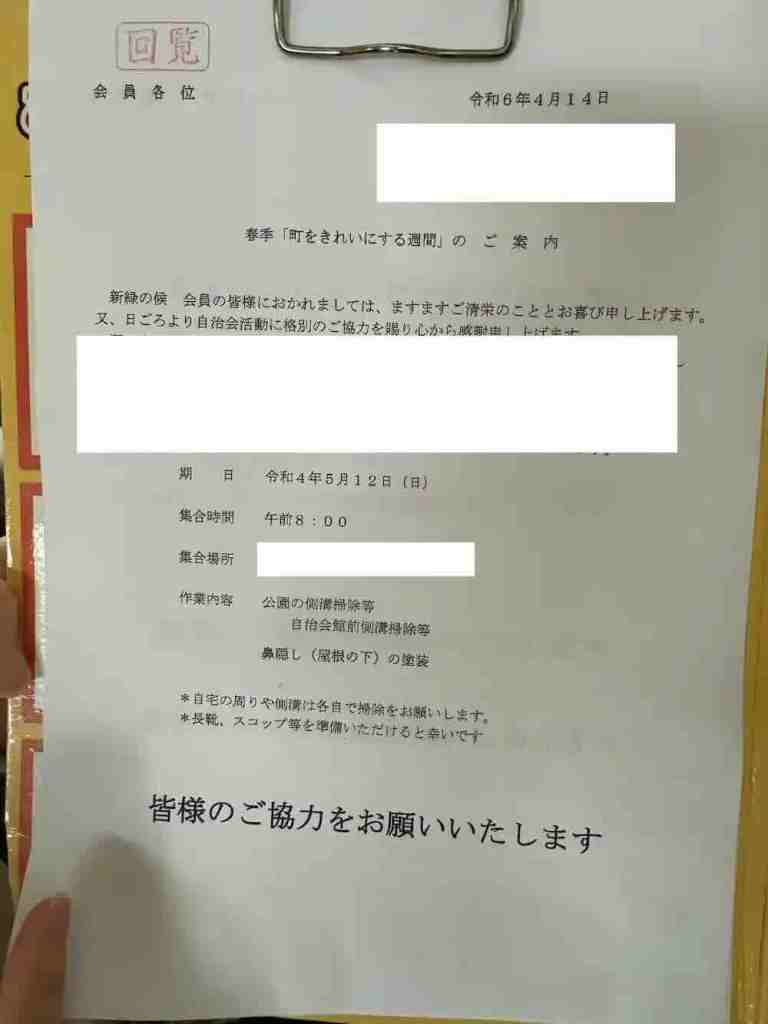
As you may have heard, Japan can be a bit behind the times at times. Bank passbooks are still very much in vogue, for example.
Yes this is 2024.
Well, another example is the Kairanban, lit. ‘the board that gets passed around’.
Kairanban is an A4-sized clipboard with notices about goings-on that gets passed around the houses in the neighbourhood one by one.
Yes, this is 2024.
More than once I’ve had notices about an event that had already finished. You’re supposed to tell people when you’re away on holiday, or maybe people get sick and forget. Either way the proportion of elderly residents is probably the reason why this hasn’t gone online.
Well, recently, the Kairanban said the cleaning for the community hall would start at 10am this morning. Knowing full-well that 10am meant 9:55, I made a point of arriving at 9:50.
When in Rome and all that.
But guess what they said when I got there?
‘We’re already done’.

‘Bu… but the Kairanban said…’
‘We know. We just couldn’t help ourselves.’
And the Gaijin Traps?
Well, that very same Kairanban came with another message:
‘Drains (the Gaijin trap type) to be cleaned by May 12 with collection of cardboard boxes filled with dirt from said drains between May 13 and 15.’
Like the good citizen I am, this morning I got out my handy crowbar and proceeded to open up the drain covers one by one. Seeing what I was doing, one of my kind elderly neighbours felt it appropriate to put me in my place:
’There’s no point doing that. I’ve been here twenty-odd-years and never done it. If I had to do that I’d do my back in’
’Bu… but the Kairanban said…’
‘Have a look around, no one else has done it!’
They were right.

All the other drains either had built-up dirt or weeds growing out around the edges. Not to the extent the drain couldn’t do its job, mind you.
‘I see. I guess I’ll go about putting the covers back then.
‘Yeah, that might be a good idea.’
But then,
a few minutes after this very interaction yet another neighbour came out and said:
’There’s no point doing that. I’ve been here thirty-odd-years and never done it. If I had to do that I’d do my back in’
My first thought was maybe they both felt guilty for not doing it, that I was showing them up.
Which is probably true.
And in the process I seem to have discovered a new form of Gaijin Trap.
The Gaijin Trap Trap.
Yes, even seasoned residents of Japan can fall in.