
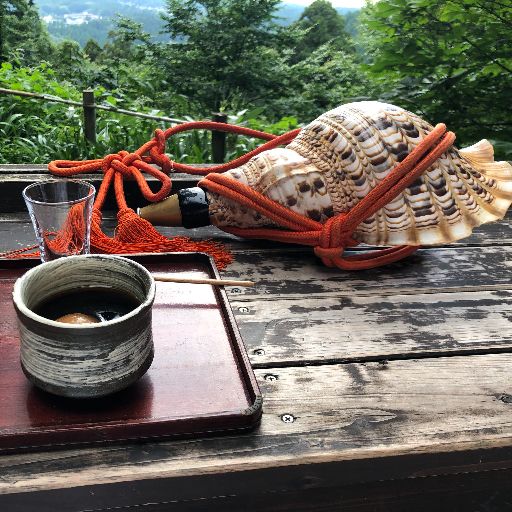
There are many things Starbucks is. The ‘third place’. An important plot point in Fight Club. A good excuse for dessert in a cup.
But a Kissaten?
Someone needs more than two weeks in Japan.
Kissaten are the quintessential Japanese coffee shop. Typically, you won’t find an espresso there. Rather, you’ll find someone who lovingly makes you a cup of coffee by pouring boiled water by hand over freshly ground beans.
Oh, and maybe some pizza toast too (also great read here).
Either way, this video on coffee in Japan by Faultline is spot on about many things, including quite a lot of stuff I didn’t know. For example, the connection between KitKats and Japan’s obsession with everyone’s favourite brown drink.
But calling Starbucks a Kissaten?
Hold my cup (the one I got from the cafe Ken Watanabe sometimes helps out in)
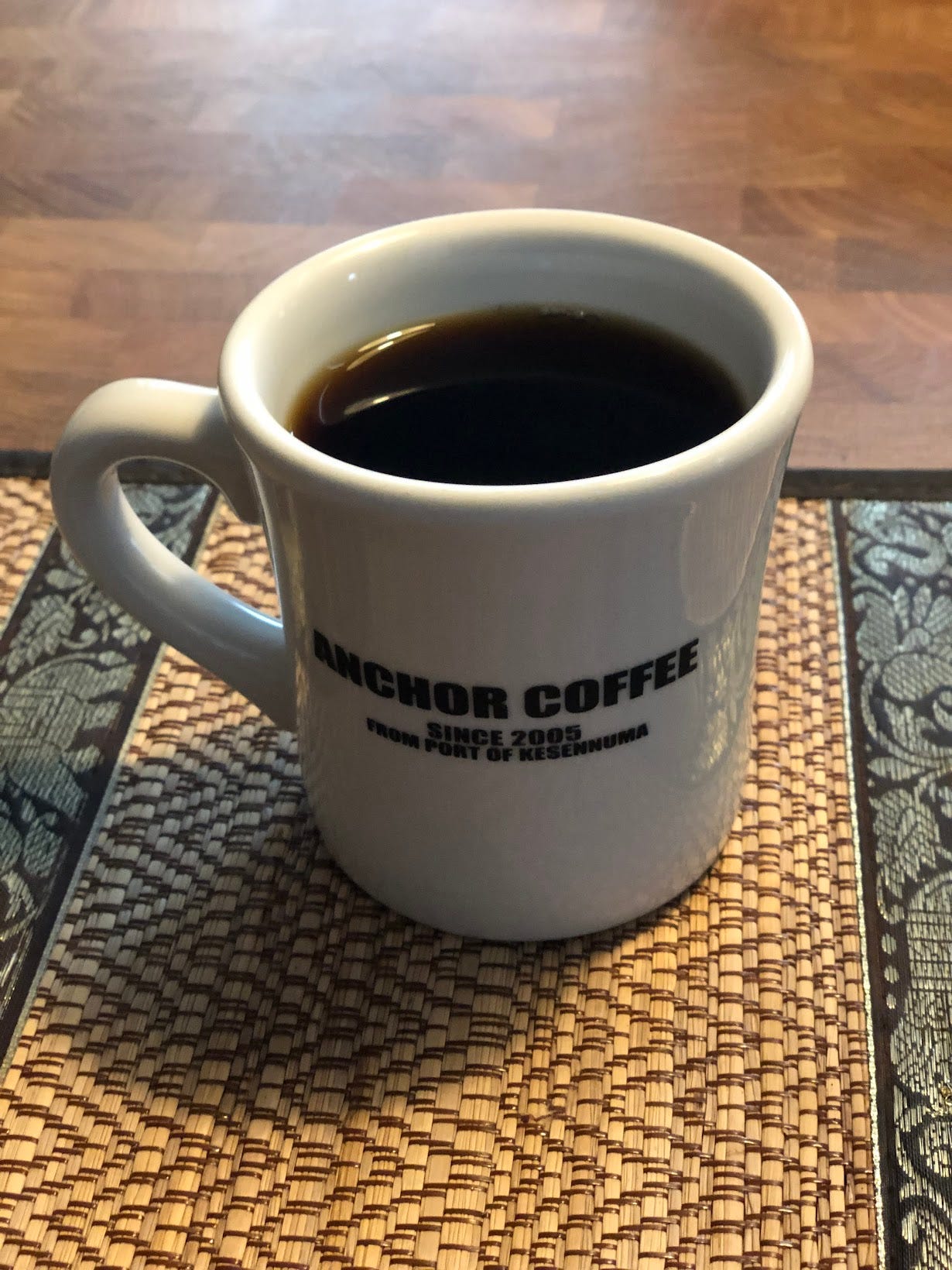
Aficionado, enthusiast, lover, or the more accurate snob, ahem, whatever you want to call it, I’m a man who loves his coffee.
I mean, have you seen my Instagram stories? My daily brews are basically all I post.
The video mentions taking 3-5 minutes to prepare a cup as if it’s excessive.
That’s not excessive at all. That’s mandatory.
Taking a good 3-5 minutes to make a cup of coffee is my cup of tea. Trust me, it’s the only way to guarantee a good cup.
Don’t believe me? Don’t worry. It just means you’re yet to have your mind blown by a well-made cup of coffee. A well-made cup of coffee you can get where?
Why a Kissaten (or my kitchen, more on that below), of course.
Good luck getting one at Starbucks. Or in canned coffee, for that matter.
A Morning Routine for the Ages
Making a coffee is the one and only morning routine I’ve managed to maintain for more than a few months. How many routines do you honestly practice daily? In fact, I’ve been practicing this for the better part of every day for the better part of, oh, ten years now.
Come to think of it, it’s not because coffee is a routine. It’s a ritual. Coffee is an event.
And I’m not just talking about the drinking part. In fact, I’m hardly talking about the drinking part at all.
That 3-5 minutes of slow pouring isn’t just 3-5 minutes of slow pouring.
It’s a form of meditation.
Seriously. Yamabushi consider walking out in nature meditation. This yamabushi considers making coffee a form of meditation.
One wrong move and you spoil what could be, no, what should be, the highlight of your day.
Getting the brew right takes intense concentration. It takes getting into the zone. It takes balance. And practice. A lot of practice.
Day after day, month after month, year after year.
It doesn’t get any more repetitive (read meditative) than that.
Yamabrewshi: How I brew my daily brew:
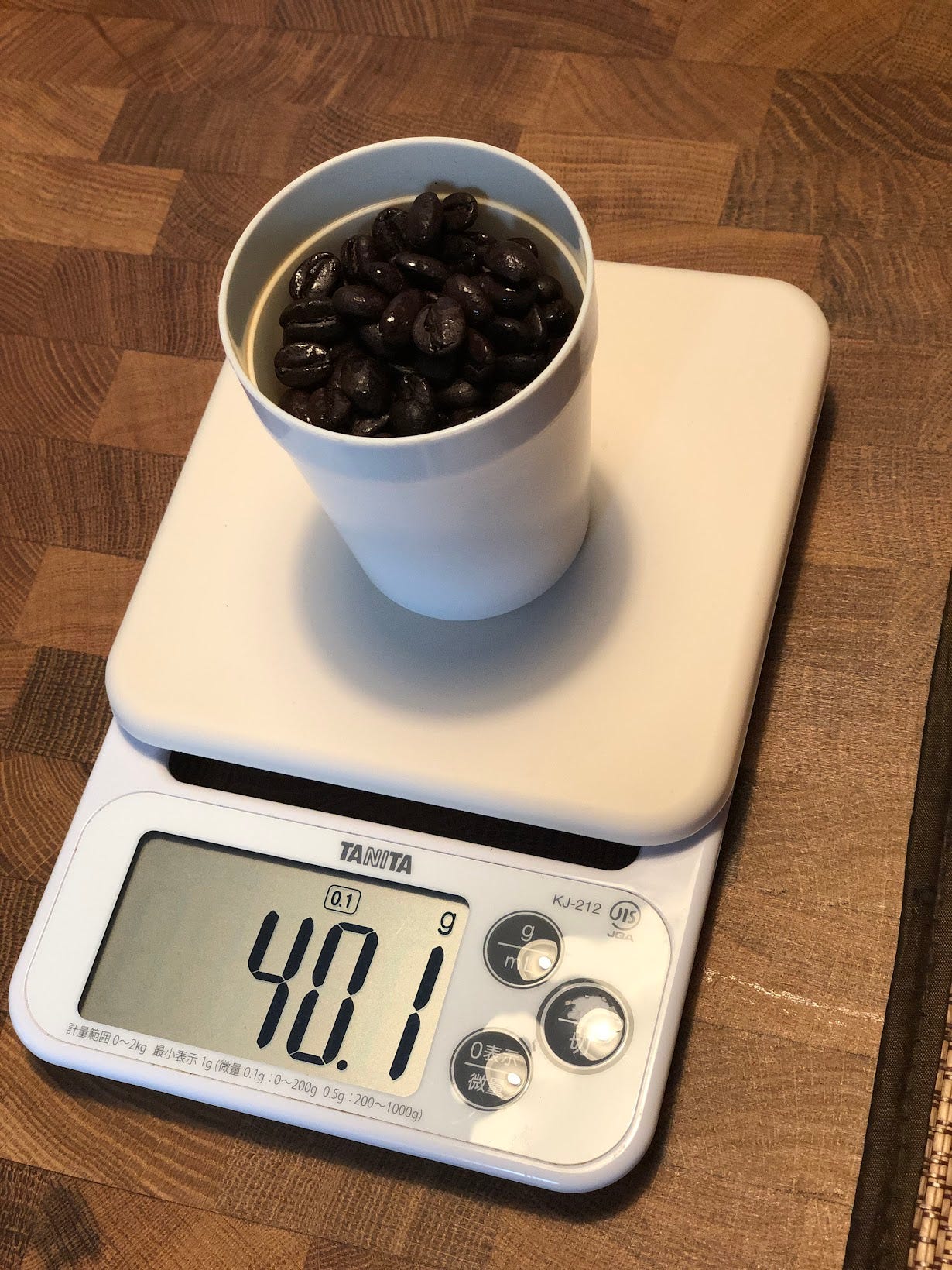
10 grams per 110ml. A bit strong perhaps, but it puts hair on your chest.
For me, not only does 40 grams of freshly ground coffee beans make 440ml of coffee, it makes a happy yamabushi, and a happy mother-in-law to boot (who doesn’t want that?).
The trick to getting the pour right, well, actually there’s a few things, but one is having the right amount of water in the kettle.
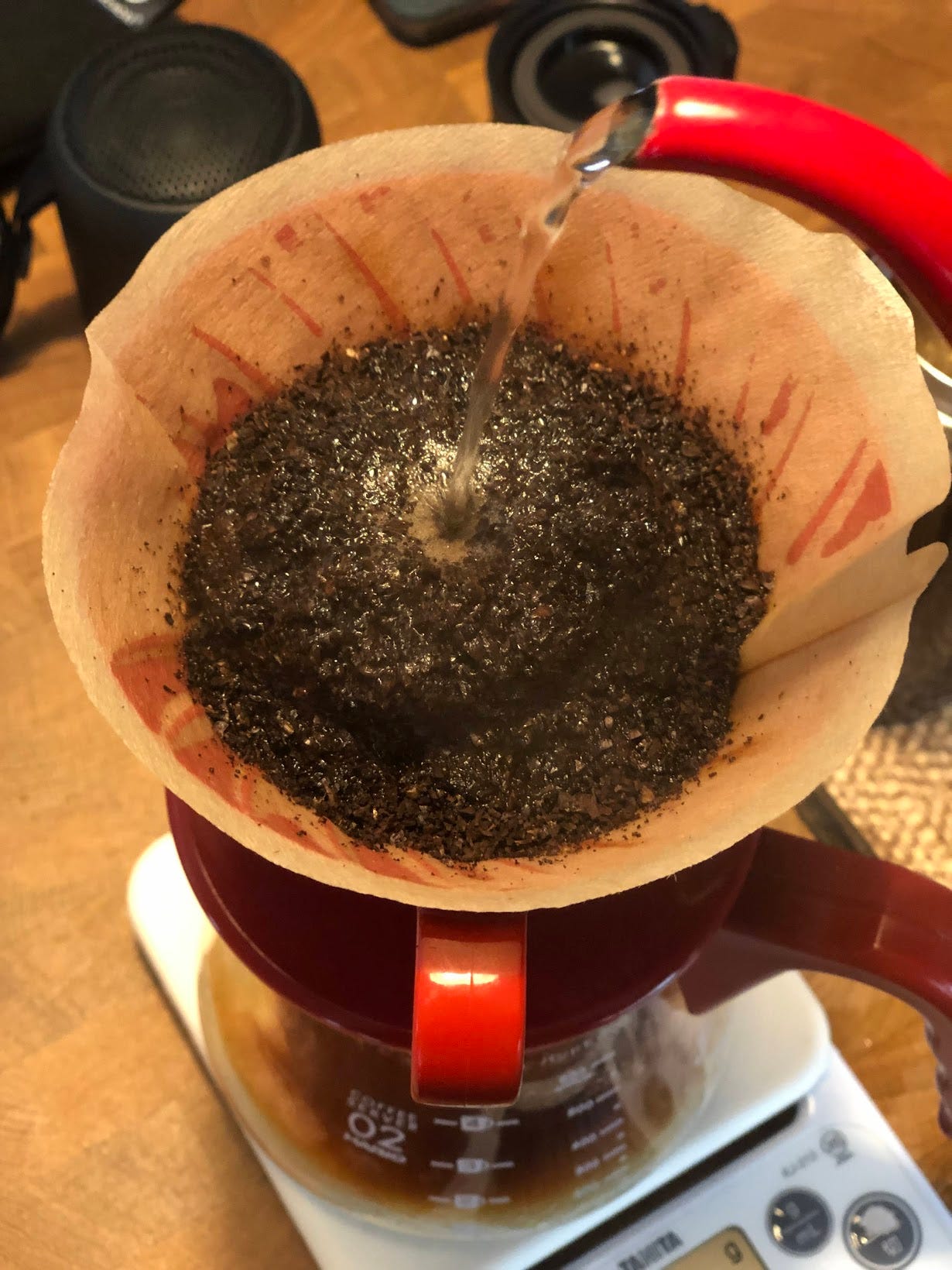
For the first pour where you’re just lightly coating the surface to wet the beans, the kettle should be about half full. In my case with the water slightly above where the spout comes out. Any more and the water runs down the outside of the spout. Any less, and it takes a hell of a lot of balancing to even get the water out.
Yamabushi coffee tip #235
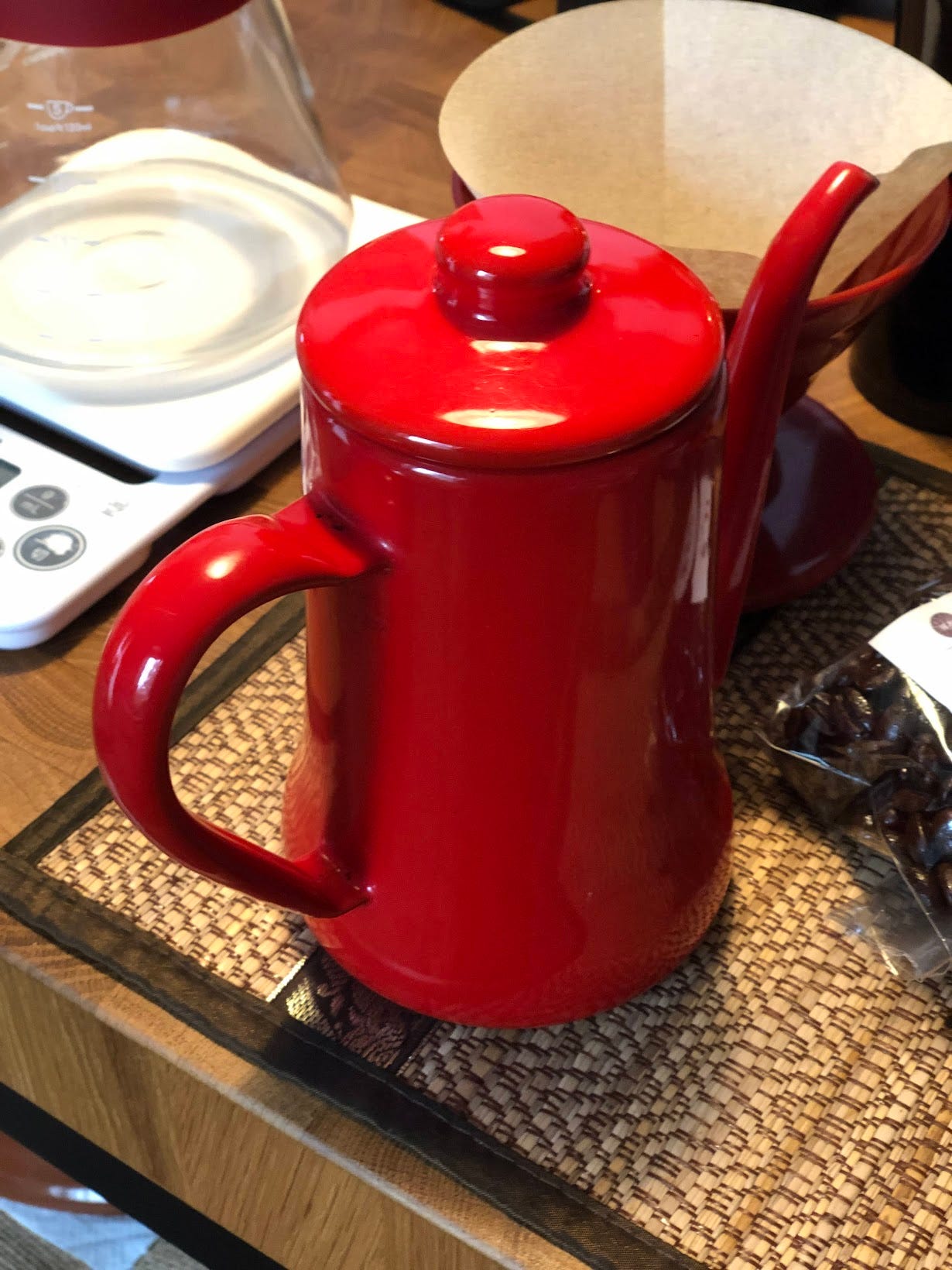
Fill the kettle with boiling water to the top, then pour about half into the paper (or cotton) filter so it falls into the server to heat it up. Then use that water again to heat up your cup. This also serves the purpose of getting rid of that paper taste from the filter.
Once you have the right amount of water, it’s all about gravity. Lift your ankles slightly and let the imbalance create a slow drip drip drip on top of the freshly ground beans.
First wet the top layer, usually about 10ml of water over about 20-30 seconds. Let it rest for another 30 or so seconds.
During this time, fill up the kettle until it’s full.
Then begin the pour proper, starting in the centre. At this point, if the beans don’t bubble up (called the bloom, this feels amazing by the way), your beans aren’t fresh enough.
Get more beans.
But not from Starbucks.
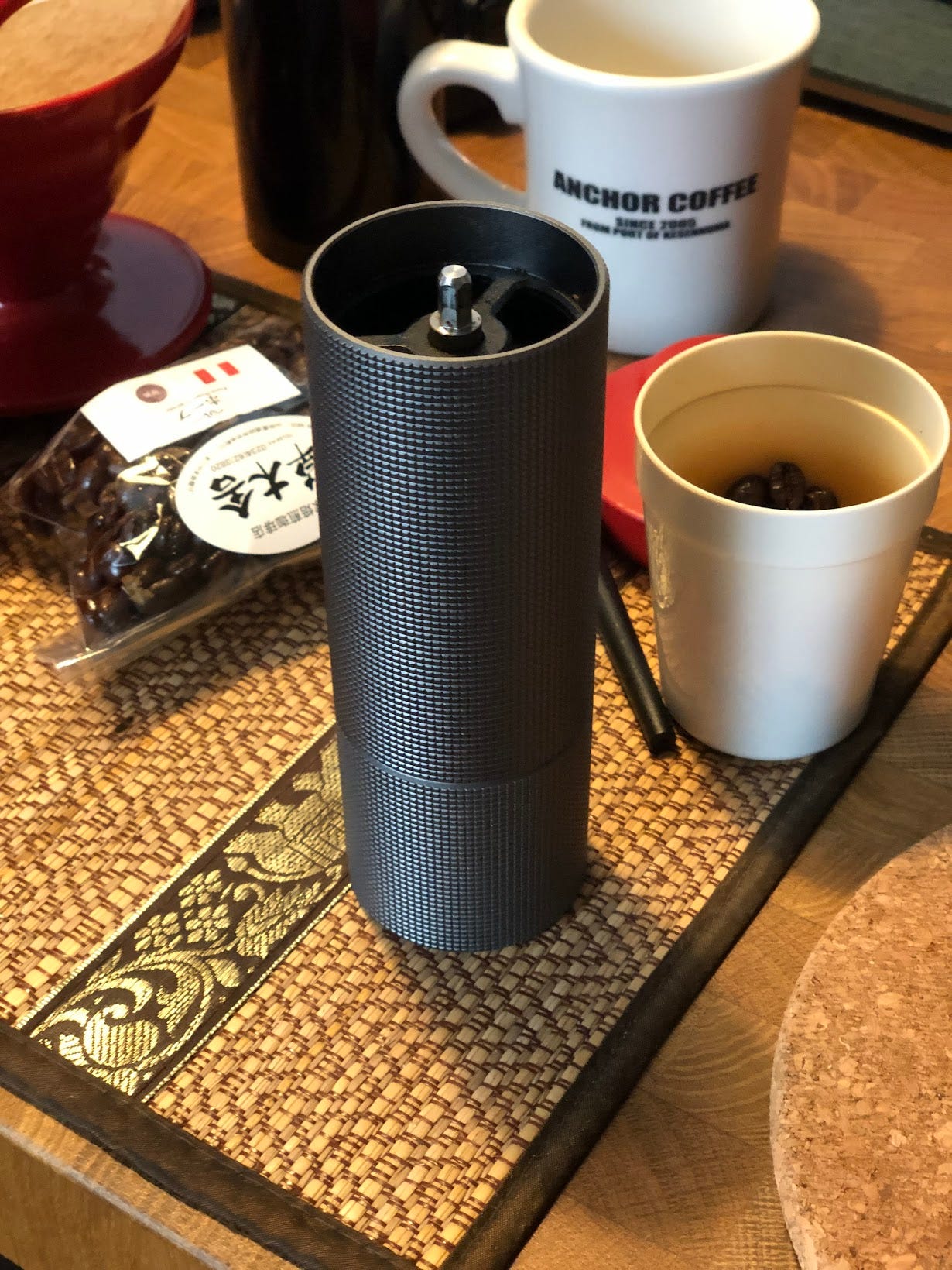
Can you see why snob is accurate? I haven’t even gotten to the bean selection process, but that’s more about finding a roaster you trust to give you an even roast at a reasonable price.
Starbucks isn’t nearly as particular.
And if you want the best cup of coffee in your life, look no further than Coffea in Tsuruoka. The guy’s a genius and even once served the emperor.
In Tsuruoka. I bet you have to look it up.
Disclaimer / Conclusion
I hate on Starbucks, but the truth is, I had a triple shot latte the other day and it was drinkable. Starbucks is great in a pinch, and Japanese people do indeed love drinking there. My point is that you shouldn’t go there thinking you’ll get a better cup of coffee than at a proper (or actual) Kissaten.
On That Note: Japan’s Second Obsession
The Japanese obsession with Sakura isn’t simply because the flowers are pretty. That’s definitely part of it, but there’s a much deeper meaning under the surface that modern people overlook completely.