
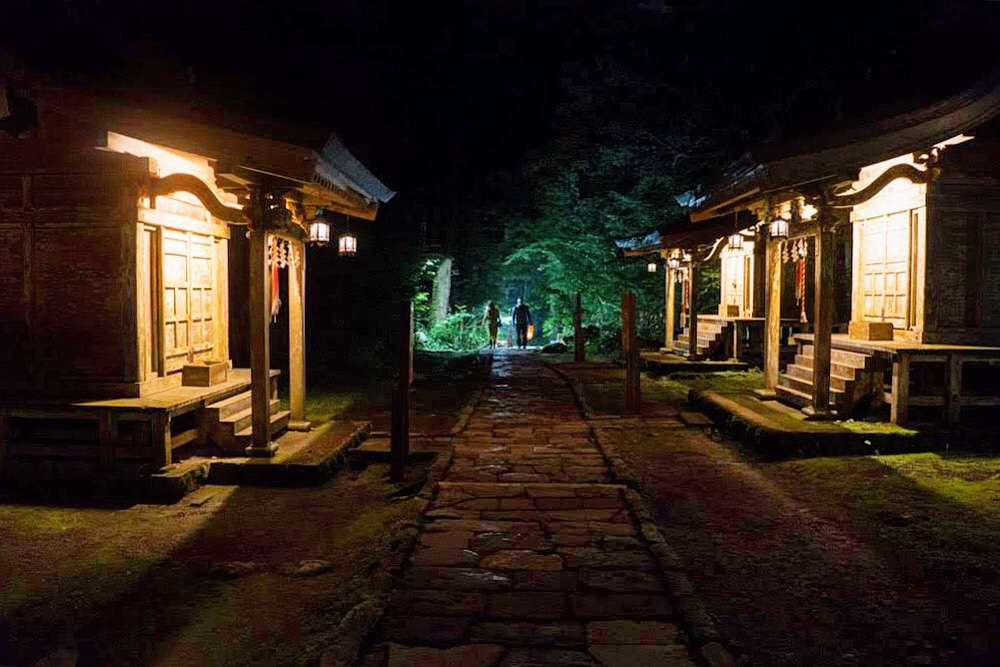
I often get asked what things have changed since becoming a Yamabushi. Well, in all honesty, cucumber horses and eggplant cows are right up there. Or at least, what they represent.
As it so happens, this is a custom practiced all over Japan usually around the middle of August. It’s also a custom emphatically related to the yamabushi.
Cucumber horses? Eggplant cows?
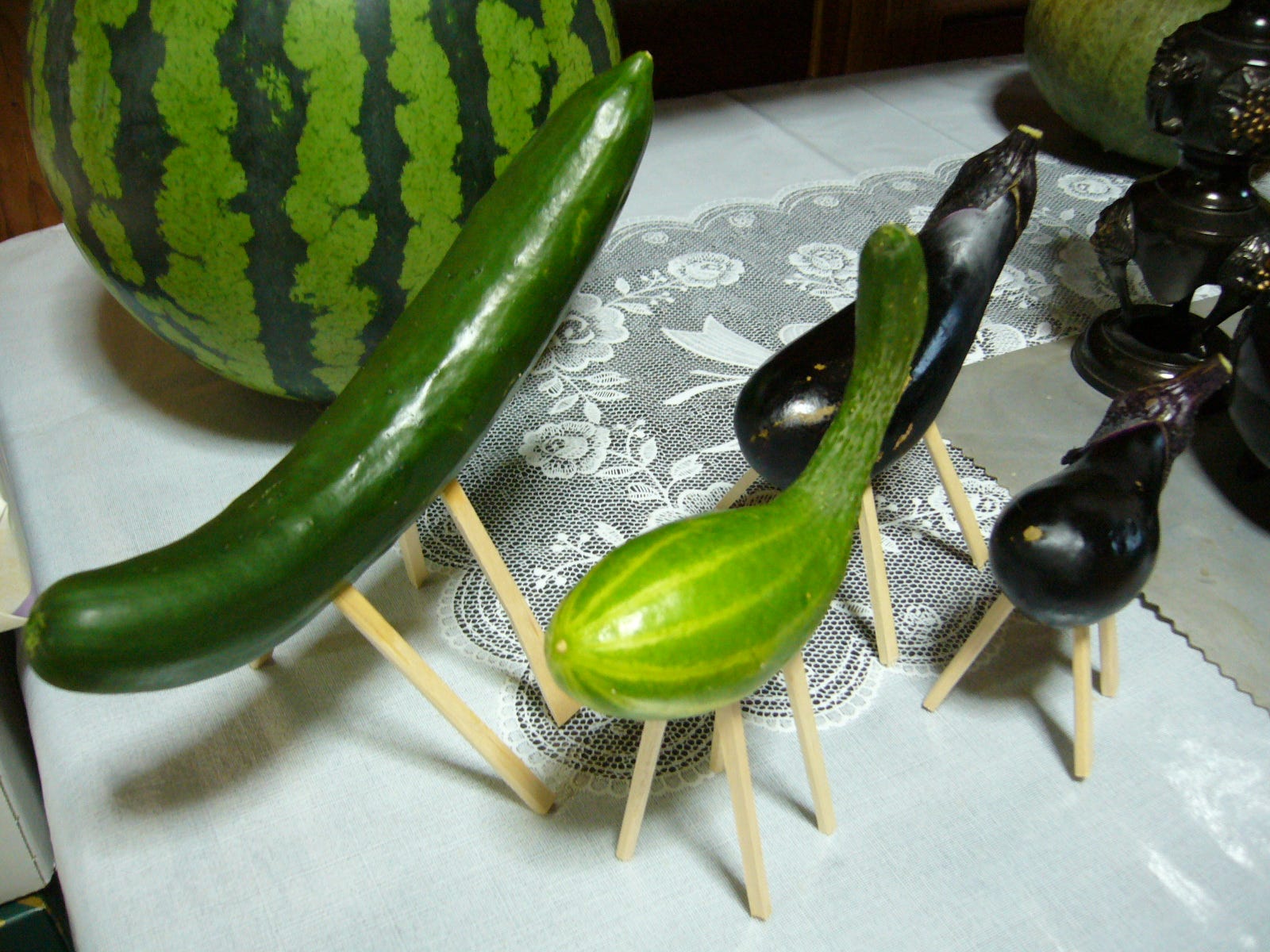
Exactly what it says on the label.
You see, cucumber horses and eggplant cows represent something innately important to the Japanese. Something so important, in fact, ignoring it would be to the detriment of not only the Japanese, but the world as a whole.
You see, cucumber horses and eggplant cows represent
the souls of the deceased.
Or, more specifically, the vessels the souls of the deceased use to travel between the afterlife and our world.
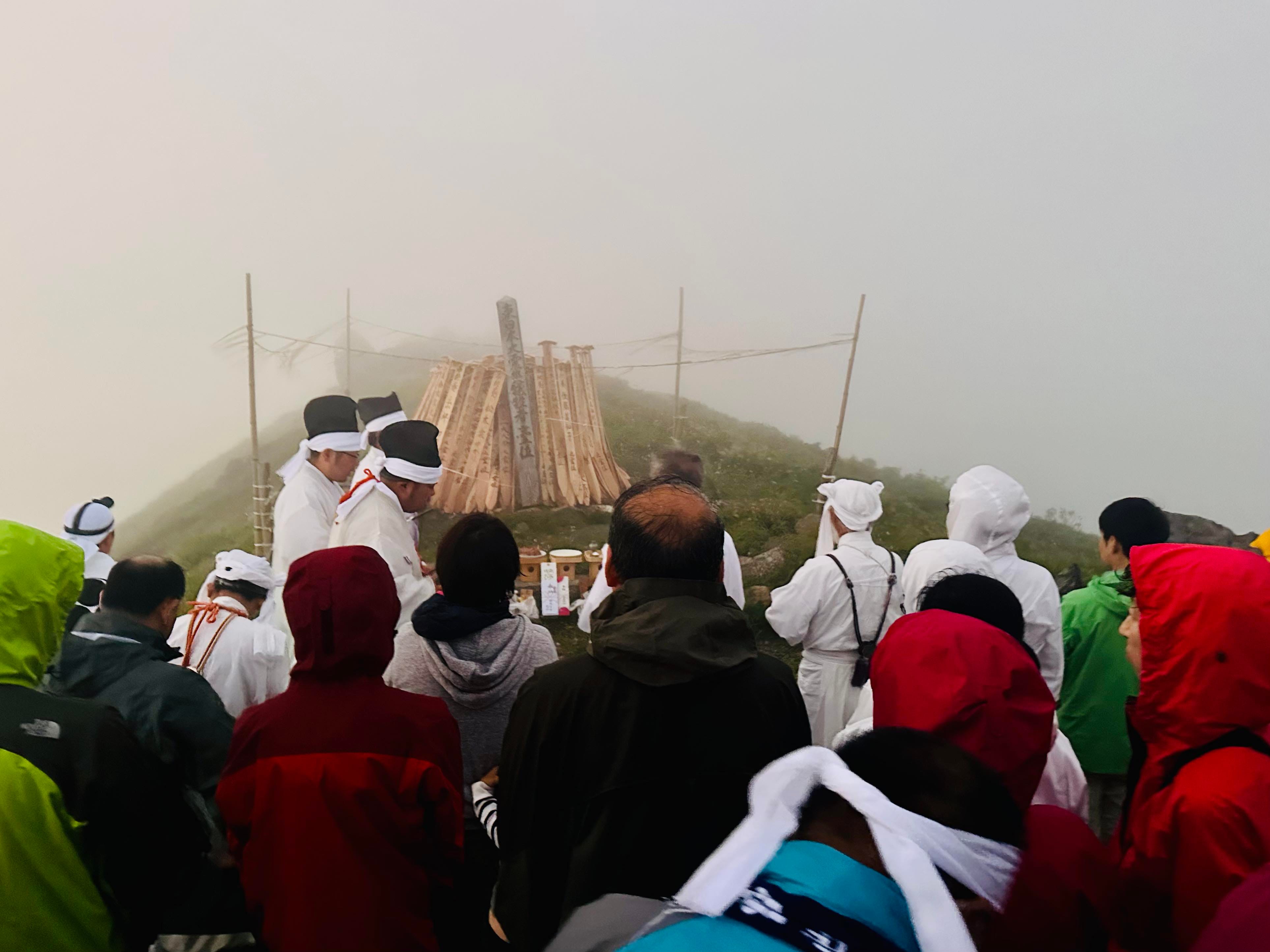
When we pass away, our souls are believed to gather on Gassan, tallest of the three Dewa Sanzan mountains here in Yamagata. Then, in what is known as Obon, each year on the evening of the 13th of August (depending on region), the souls come down from their abode on Gassan and return to their family homes.
The souls then spend the next few days in the company of their families, returning to the mountains on the evening of the 16th.
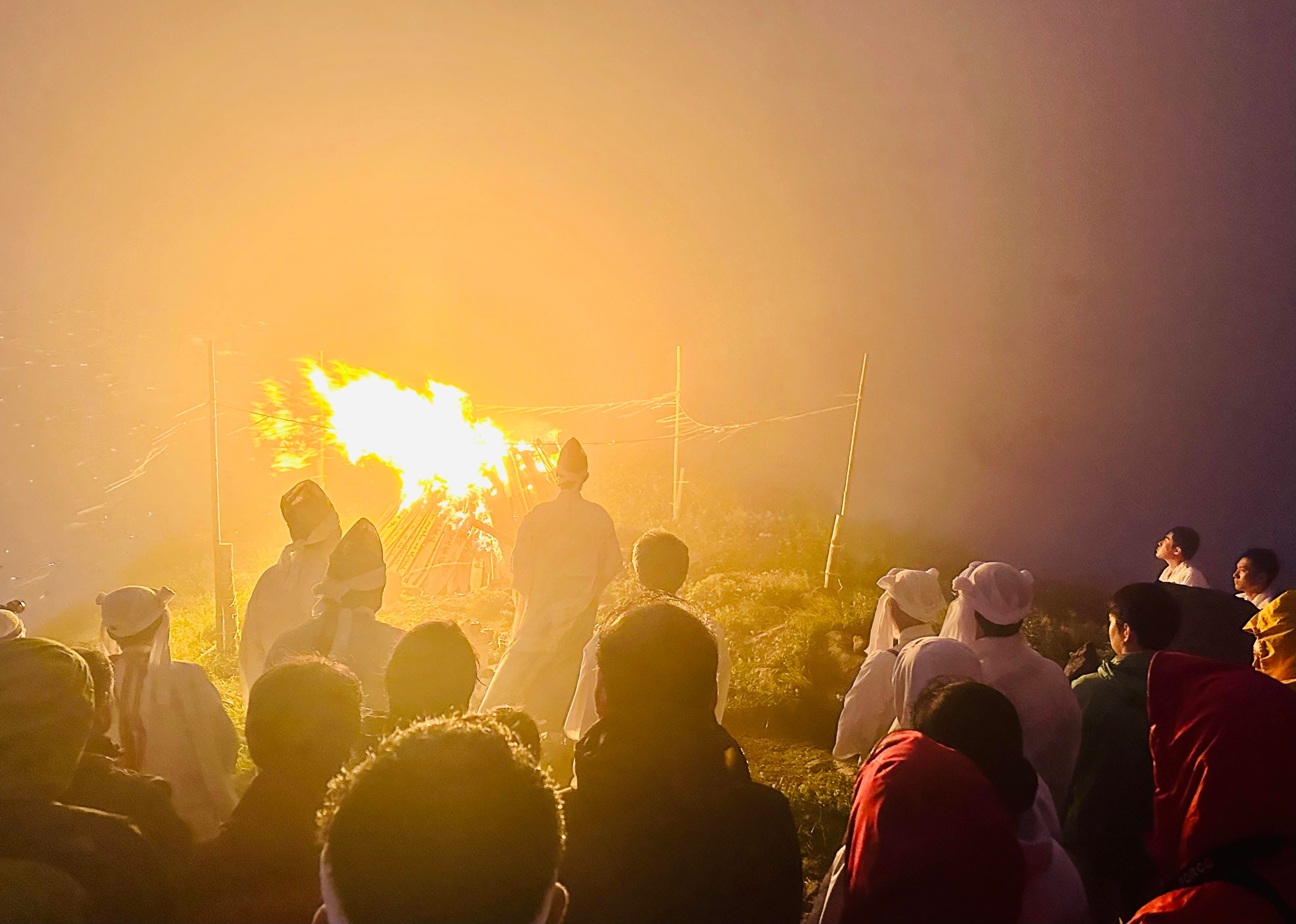
To guide the souls safely down the mountain, massive bonfires called Okuribi are lit at the summit of Gassan and a few other specific locations. Locals then welcome the souls into their homes with small ceremonial fires called mukaebi.
Then, three days later on the 16th of August the reverse happens. Okuribi and Mukaebi are lit to this time send the souls from their ancestral homes safely back to the summit of Gassan.
So, why the horses and cows?
It may surprise you to learn, but horses are slender and fast, while cows are fat and sluggish.
The horses are so the souls can swiftly ride back to their ancestral homes. The cows are so they can get back. Begrudgingly, mind you.
For the Japanese, neglecting this practice of ancestor worship has disastrous implications, both literally and figuratively.
Which begs the question…
Why is Ancestor Worship so important in Japan?
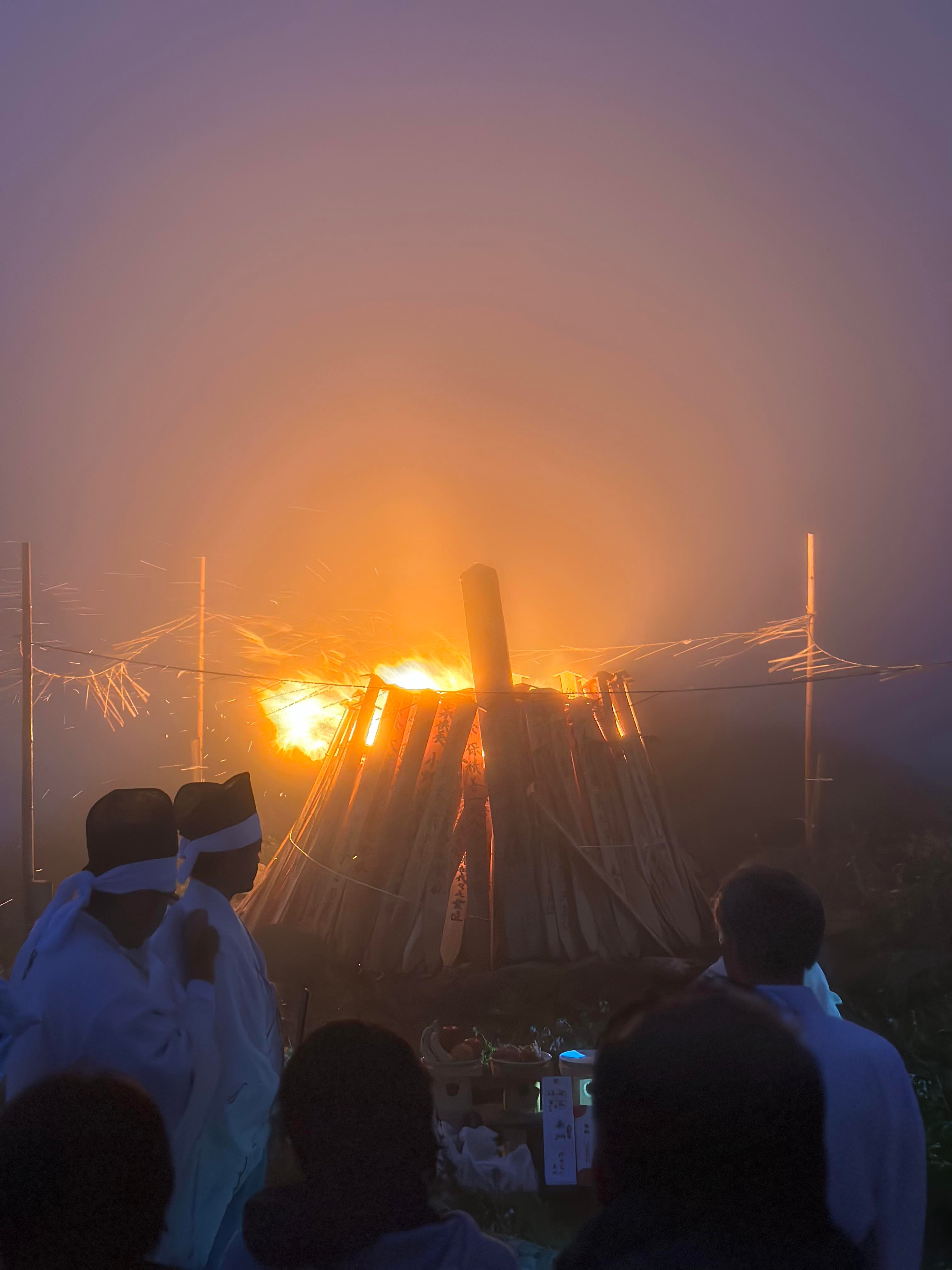
Put simply, the souls of the deceased prayed to bring good fortune.
For the souls that are not prayed to?
Well, the opposite is true.
So, a natural disaster like the Great East Japan Earthquake and Tsunami in 2011 is a double calamity. Not only are such disasters devastating for the communities they effect, they also wipe out entire families meaning no one is left to pray for the souls of the deceased.
Never fear,
the yamabushi are here.
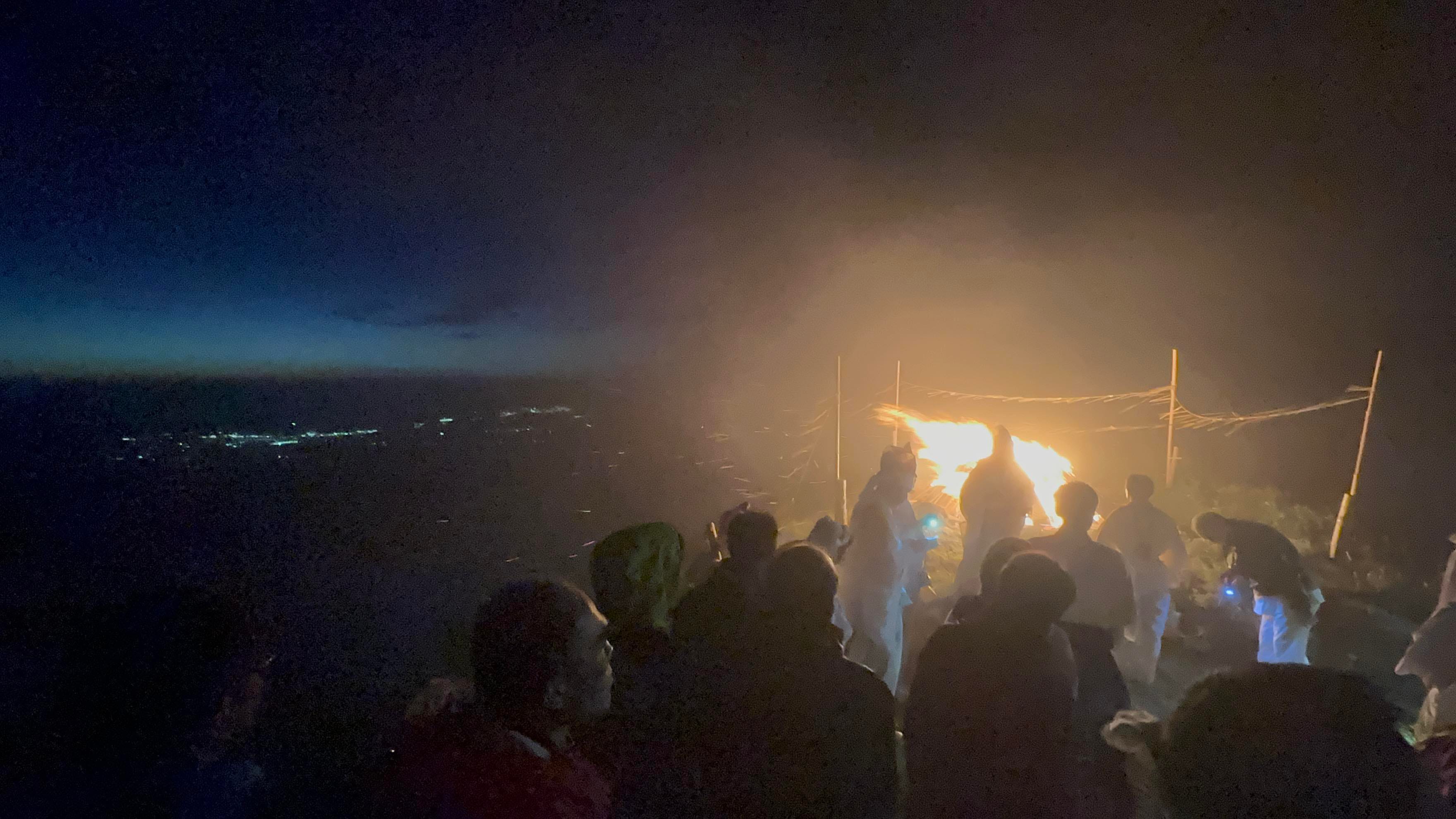
As a general part of their training, Yamabushi pray to appease the souls of the ancestors and avoid retribution and further calamity for all.
But even more so,
generation after generation of ancestors have brought us to where we are today. If even one link along the way were broken, I would not be writing this right now, and you wouldn’t be reading it.
That’s why we should all make it a periodic custom to show our appreciation for everything the ancestors have brought us.
Which, incidentally, is everything.
Cucumber horses and eggplant cows are just a friendly (and delicious) reminder.