
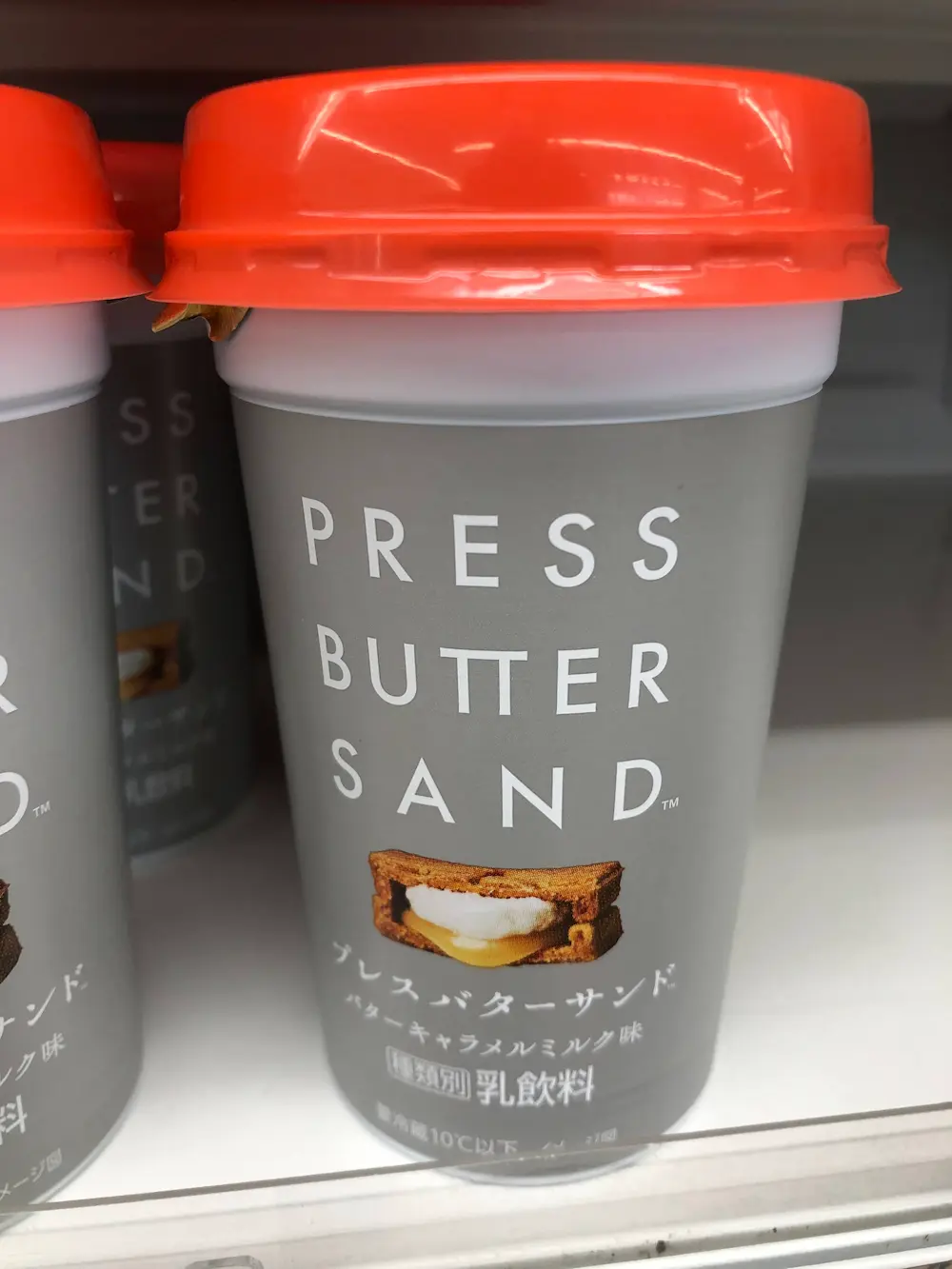
Isabella Bird, the OG Japan influencer who came to Japan in 1878 (that’s right, almost 150 years ago), also came through Yamagata where she thoroughly disgusted locals with…
Milk.
From my Yakushi-san article:
Bird’s arrival in Yamagata was far from uneventful, riding a cow of all creatures. Plus, Bird managed to thoroughly disgust locals at the very suggestion of milking the cow and adding the bovine delicacy to her tea.
For the locals, putting anything, “with such a strong smell and taste” in their tea was “most disgusting”.
“Most Disgusting”
If my article from last week is anything to go by, I am definitely not of the same opinion.
I love milk.
There. I said it.
Speaking of cows, just the other day I watched Barry Sonnenfeld’s TED talk. Barry was the director of Men In Black, along with a few other titles you may know.
One thing that stuck with me from this talk was how Barry was able to guarantee a medium rare steak to his liking every single time he ate out.
Quite the achievement if you ask me.
How?
By carrying a picture of how he likes his steak. When asked how he likes it, he would show the photo and, this is important, ask:
“what would your chef call this?”
“Sir, that is what we would call medium rare”
“Perfect. Then give me medium rare.”
Works every time.
So imagine my confusion when I arrived in Japan and found out “rare cheese” was a thing.
For the longest time I had no idea what it meant. Rare cheese like rare wine? Or perhaps rare whisky?
Apparently not.
It’s much less sophisticated than that. “Rare cheese” is what in English we’d call a no-bake cheesecake AKA cheesecake that doesn’t require heating.
“Rare cheese” does indeed take after English. Only it’s not rare in the sense of “hard to get” or “unusual.”
It’s steak. It takes after steak.
Rare = not cooked.
Apparently “Rare cheese” first appeared in Japan in the 60s, part of the post-war boom in Western sweets. Then in the 70s and 80s it became more popular as cream cheese became easier to find.
Only, the Japanese being the crafty people that they are, often use gelatin, agar, or yogurt to give it a lighter, tangier, fresher taste than the heavy American kind you may be used to.
These days, we see “rare” plastered everywhere:
- Rare Cheesecake – the classic no-bake cheesecake
- Rare Chocolate – soft, almost molten ganache-style cake
- Rare Pudding – half-set custard pudding, closer to mousse
- Rare Cake – generic chilled non-baked cakes
- Rare Ice Cream – unusually soft ice cream
- Rare Matcha Cheesecake – probably my favourite
Now, unlike steak, no one in Japan asks how we like our cheese.
But I know what I’d say if they did:
“How would you like your cheese?”
shows photo
“What would your chef call this?”
“Sir, that is what we would call milk.”
“Exactly. I’ll have one of those. Make it a latte if you will.”