
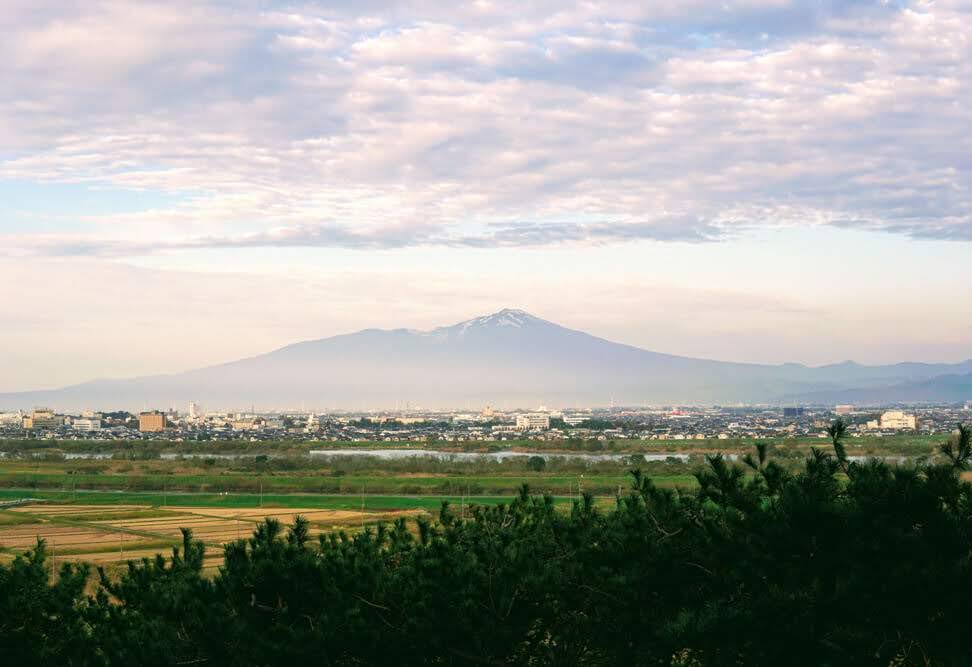
I love roundabouts.
Anyone who has lived in a place full of them, with, and here’s the caveat, people who know how to use them, know just how efficient they really are. No electricity. No waiting at red lights. No unnecessary stopping. You just give way to people coming from your right, it really is that simple.
To be fair though, I come from a city of roundabouts. A LOT of roundabouts! They’re everywhere! I’ve even heard Lower Hutt City has the highest number of roundabouts per capita in the world!
Granted, that was my Grandad talking. And although he was a local politician, there probably is at least some truth to what he was saying.
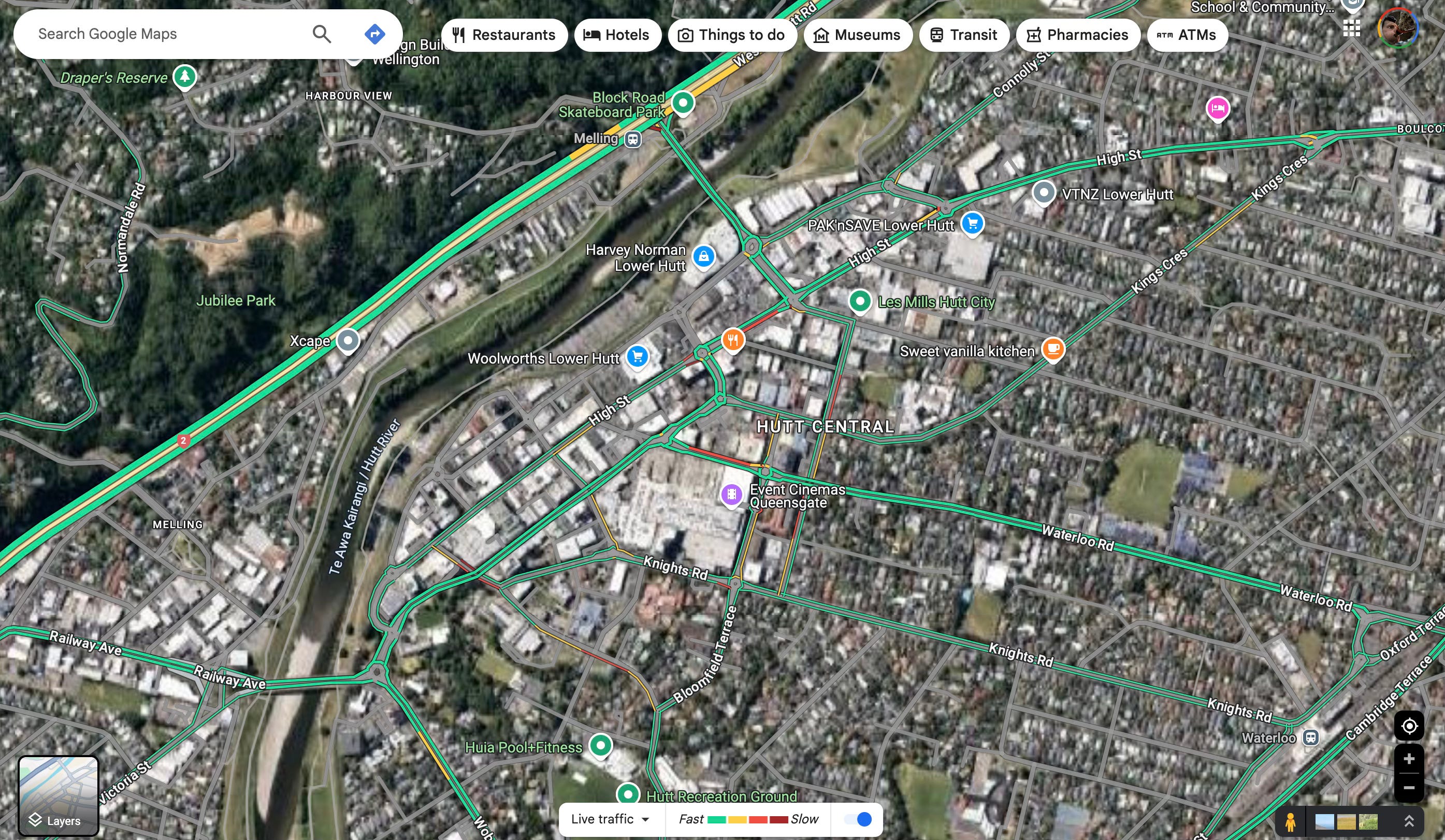
I mean, take a look for yourself.
Here is a map of central Lower Hutt City.
And here are all the roundabouts! (That I can remember)
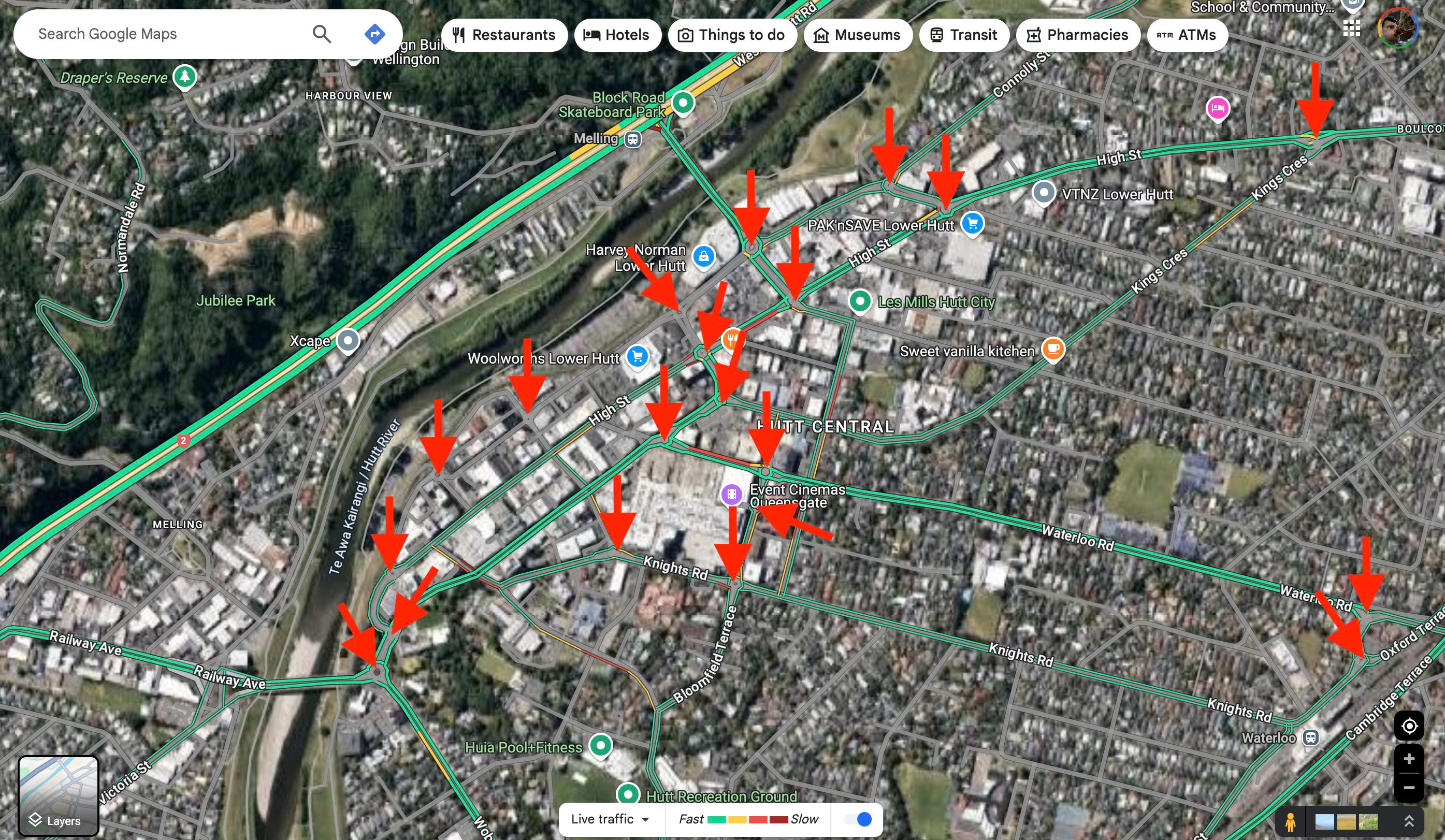
For a city of around 100,000, that’s quite a lot,
Wouldn’t you agree?
However, I currently find myself living in Sakata City in the Japanese countryside. Once home to the richest family in Japan, this city also coincidentally has about 100,000 people living in it. Well, less now, as the local newspaper likes to reminds us.
But still.
Sakata City loves traffic lights. They’re everywhere! And not just in downtown Sakata either. Way out in the wop wops too!
Countless times I’d be at a traffic light in the middle of the rice fields not a single person in sight tapping my thumbs against the steering wheel in anger while staring up in anticipation at the traffic light longing for it to change so I can get on with my life.
Longing for it to change,
into a roundabout.
They’re so efficient, haven’t you heard.
And you know what?
I kind of got my wish.
Kind of.
One thing about New Zealand that surprises people is how locals define a city. You’d think it would be population-based, or at least tied to economic significance. But no. What really matters is whether you have a traffic light or not.
That’s the threshold.
Up until then, it’s all just swings and roundabouts.
Up until then, you can’t say you’ve made it in New Zealand.
They don’t call it small town for nothing!
Which, in case you hadn’t realised, means removing a traffic light is kind of a big deal.
And that’s exactly what’s happening in Sakata City.
Recently, due to lack of traffic or something, they removed four sets of traffic lights. Four!
And the worst thing is, these weren’t the lights way out in the wop wops I was complaining about earlier. These were central Sakata City lights.
I’m talking downtown Sakata.
Can you believe it?
You see, a couple of years back, Sakata City lost its only department store, and with it, a whole lot of traffic. Granted, if you ever stepped foot in Shimizuya you would notice your foot at an angle and would know then and there the store wasn’t long for this world6.
But still.
Shimizuya holds a special place in the hearts of many a Sakatan. However, if they’re going to start removing traffic lights, you would think they would start with the ones that don’t even have roads leading to them?
Here and here, for example.
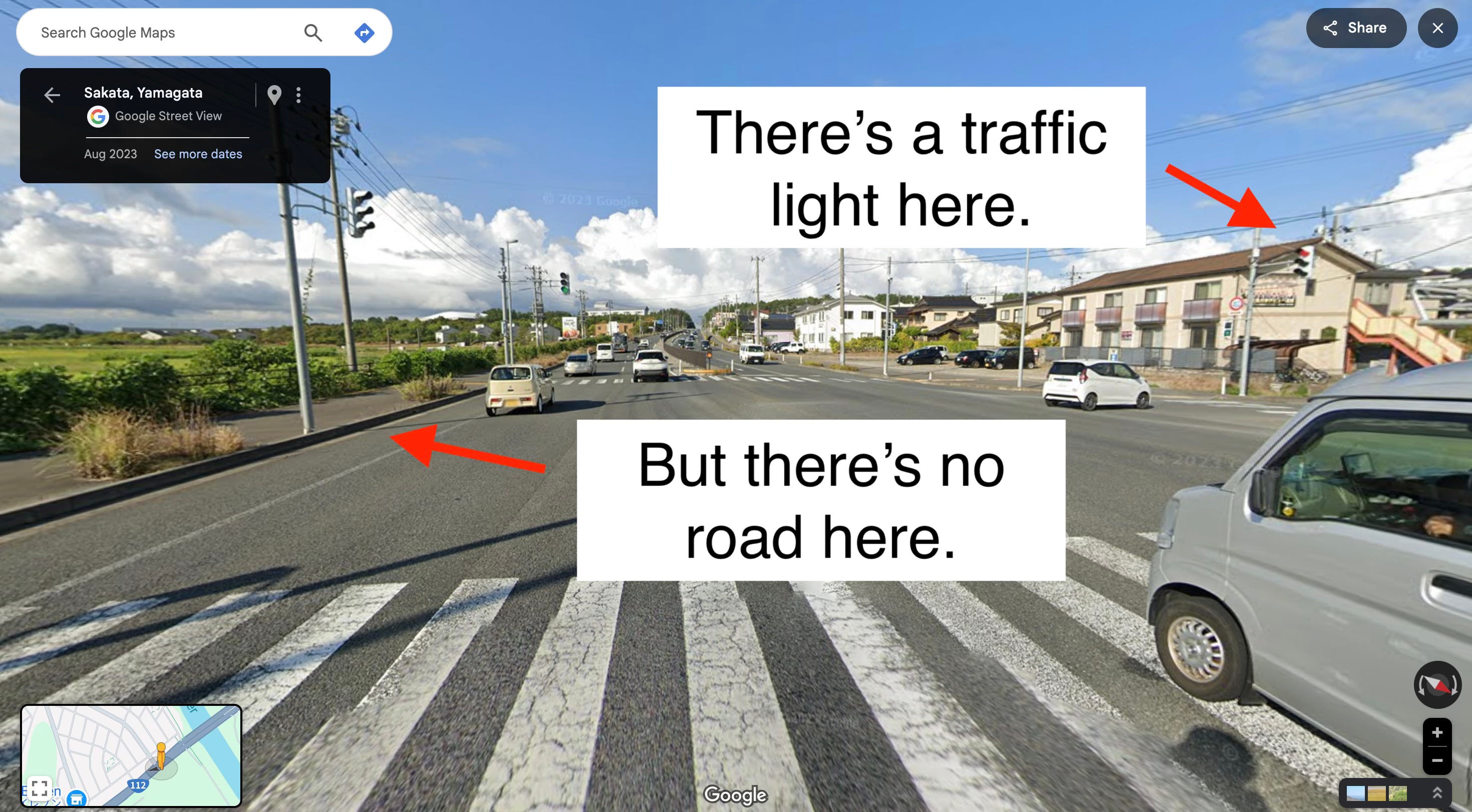
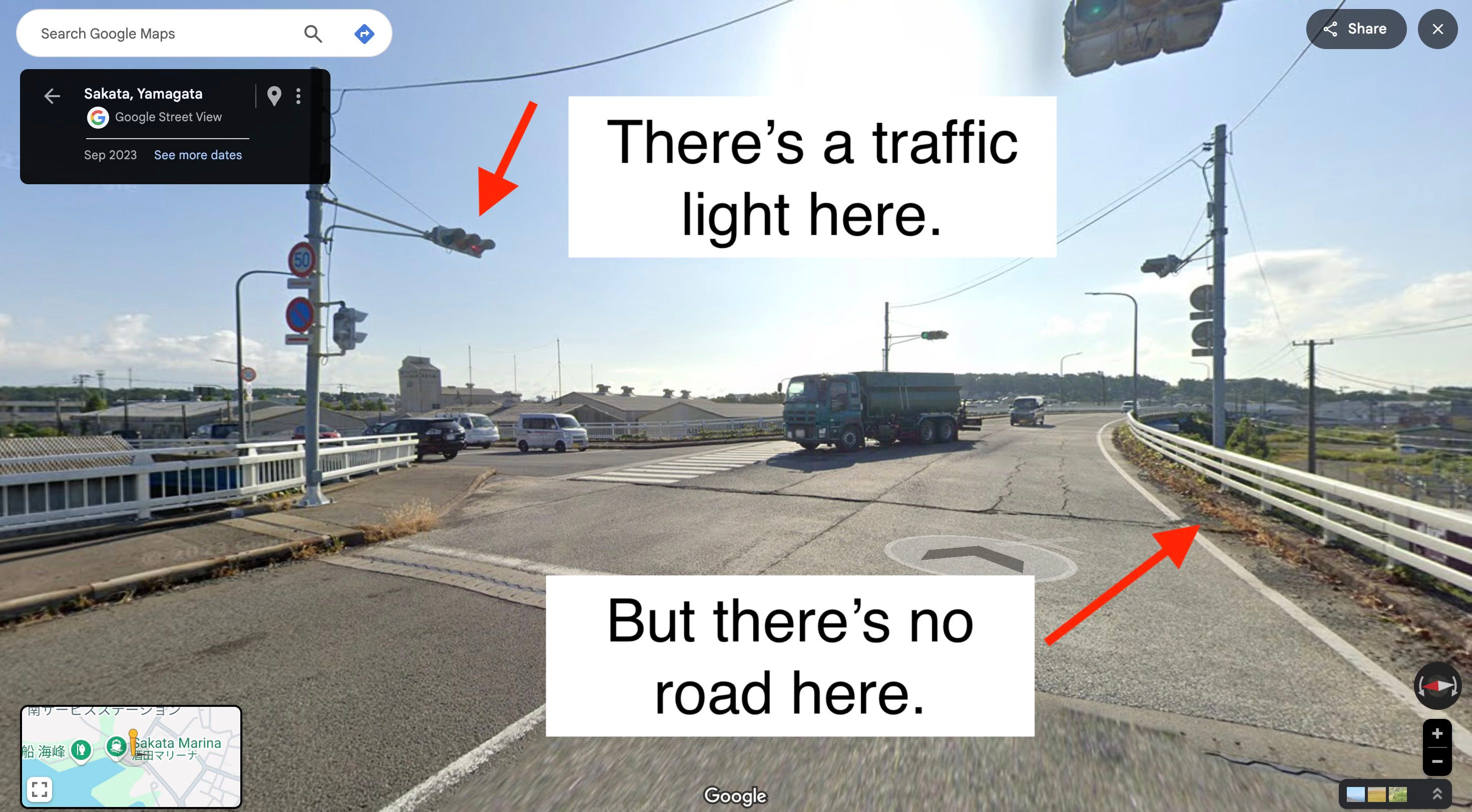
Just like Japanese words that have more Kanji than sounds, think buna 山毛欅 for beech tree, shime 七五三 (7-5-3) the rope used to cordon off sacred areas, or any old dude whose name ends with –uemon 宇右衛門, there are three-way intersections with four sets of traffic lights.
One on top of a bridge!
Which I guess just means Japanese traffic lights come in sets of two or four (or five).
But still.
Those are the lights we should be getting rid of first. Not the ones in central Sakata.
And when you eventually do get rid of them, do you know what we should replace them with?
(Roundabouts. It’s roundabouts.)
Which they are actually trying to do!
After 3.11, they saw the sense in having roundabouts, seeing as, like I mentioned, roundabouts don’t require electricity, nor a police officer to control them during blackouts. With places that only have so much traffic and a bit of space, such as cities around 100,000, roundabouts are a great idea.
Well, there is one caveat.
People don’t know how to use them!
A little education is in order. And you know what that requires?
A practice roundabout out in the wop wops!
Like this one.
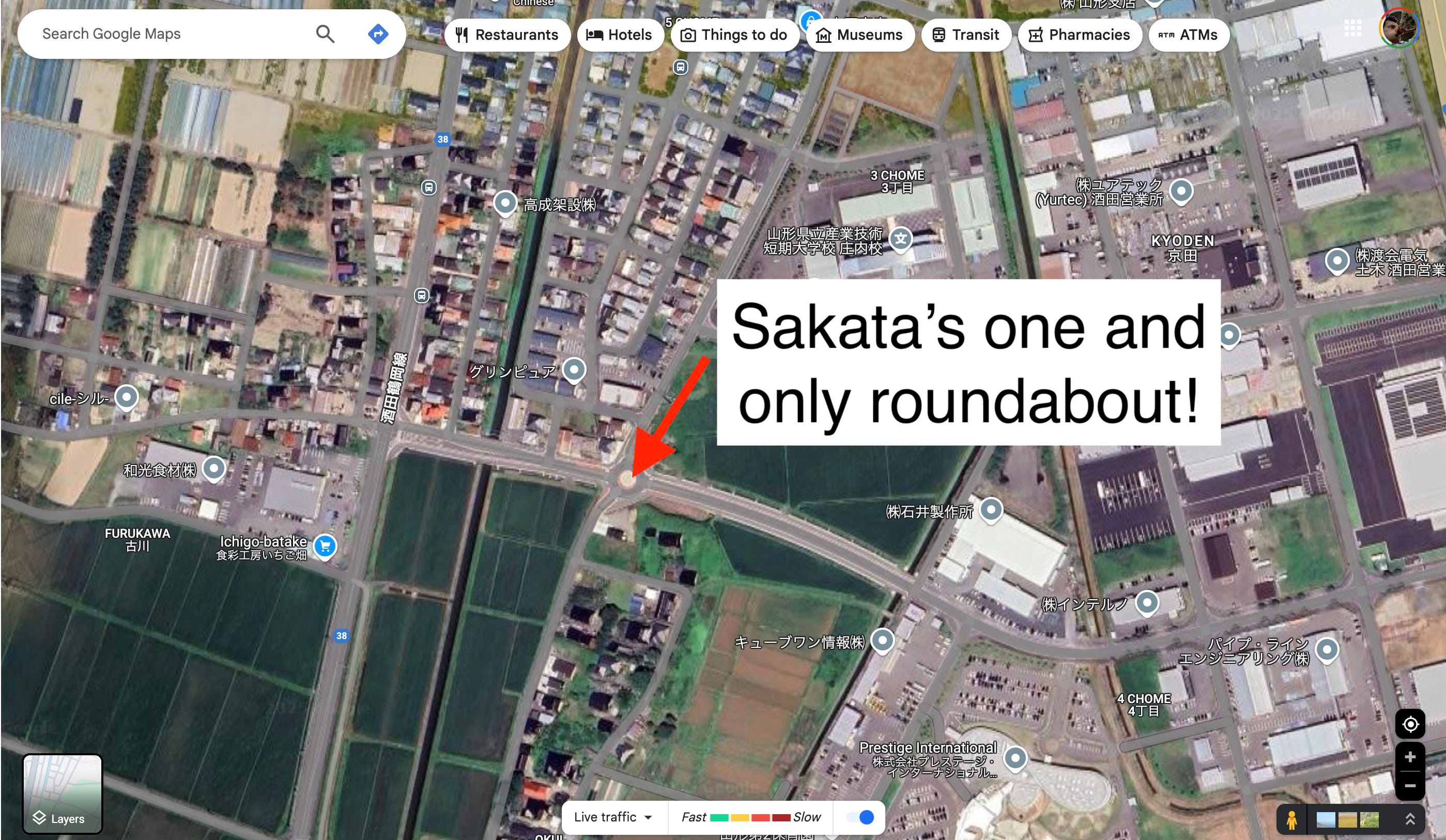
Yay!
Now the next time I’m waiting in the middle of the rice fields not a single person in sight, I don’t have to tap my thumbs against the steering wheel in anger anticipating a green light.
Well, not here at least.
Sakata is an interesting place.
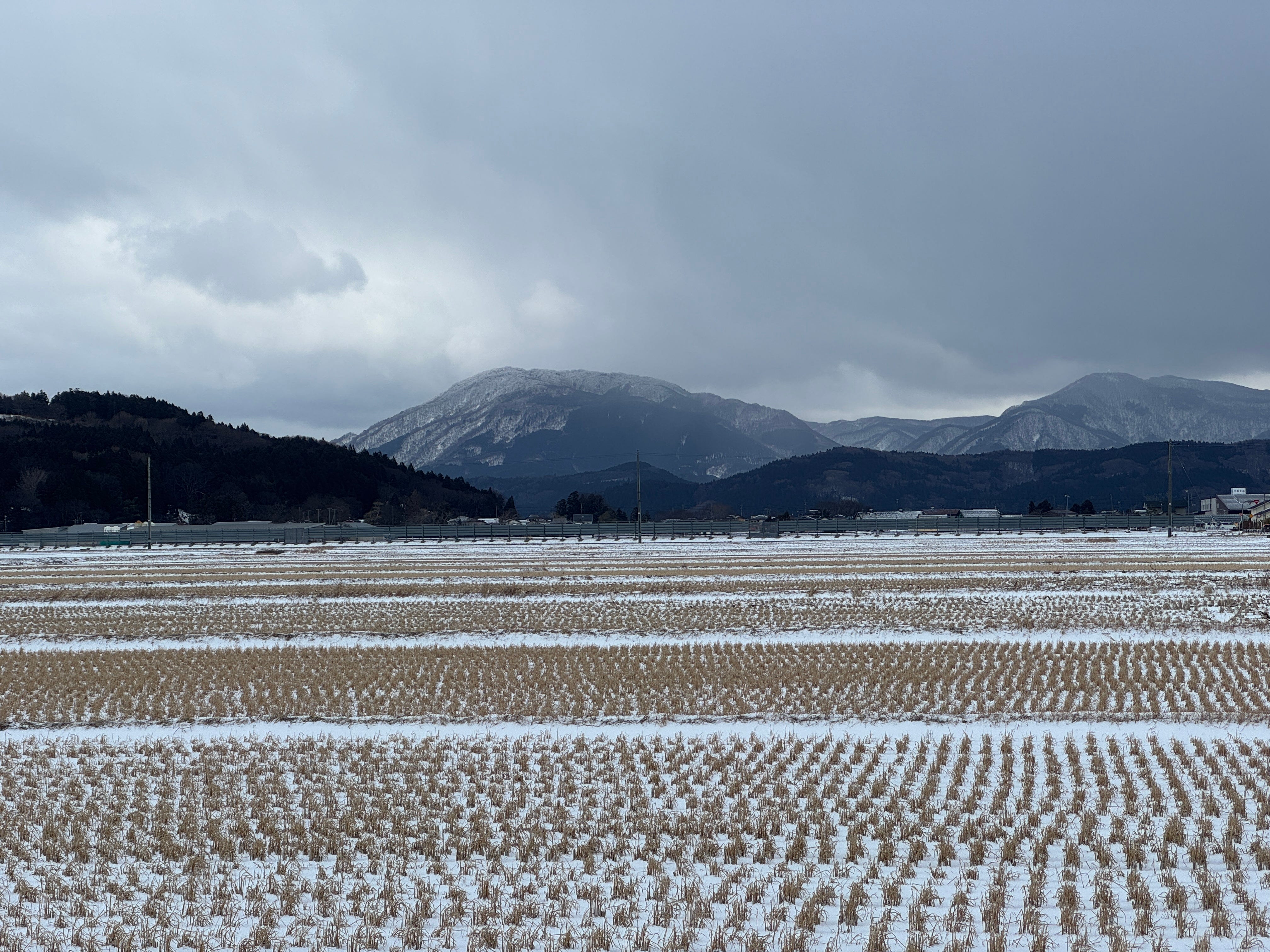
It’s why I live here. Don’t believe me? Read about how this place became the namesake of some rice crackers in Australia here, how it became home to the richest family in Japan here, or, ahem, what it feels like to live in a dying city here.
Oh, and also,
Yamagata officially kept its crown as Japan’s number one consumer of Ramen noodles. If that’s not a reason to visit (or live here for 15 years), I don’t know what is!