

CONTENT WARNING: This article involves extensive talk about death. If that makes you uncomfortable, stop reading now.
Yesterday, I found out a student of mine had passed away suddenly in the two days since we last met. It was a sudden thing, nothing could be done to help it, and it was not at all suspicious.
But it was shocking. It’s all I’ve been thinking about since.
Not even legal drinking age in Japan, and with a world of opportunity ahead of them, I guess it just wasn’t meant to be.
Teachers aren’t supposed to have favourites. If I’m being completely honest though, this student was one of mine. Always kind, always good for a laugh, and always trying their best. Also, one of the more able, the kind of person you know is destined for something special.
The weirdest part for me though, is that it came so close to the anniversary of my own father’s untimely death. This coming Tuesday marks 7 years (or Monday as it was ANZAC day). I’ll always remember going back home and finding that relatively-recently-forgotten cup of tea in the microwave, and the book left on the couch with a boarding pass from a trip to Japan used as a bookmark.
The last time I saw dad alive, he was leaving Sakata City on a train. I remember thinking for no specific reason that this might be the last time I saw him, so I better make the most of this goodbye.
Unfortunately, in that case, I was right.
For my student though.
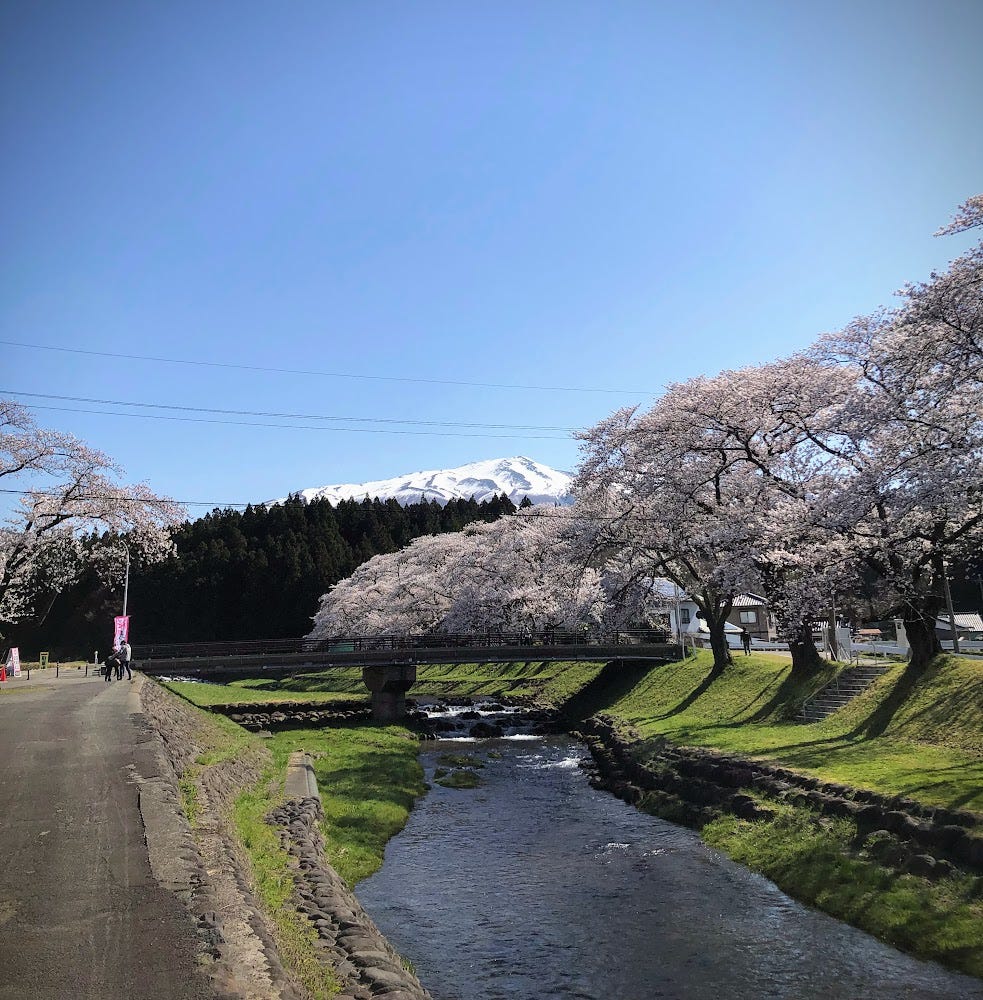
Luckily, I guess, we had some interaction about their laptop’s background photo. I joked and said ‘this is you, right?’, pointing at someone who was clearly not them.
It’s an oft used saying, but you truly never know when you’re going to go. It could be tomorrow, it could even be today. You also never know when the people near and dear to you are going to go.
It’s reason enough to start doing what we always intended now.
Not tomorrow. Today.
It’s reason enough to share how much we care about other people. It’s reason enough to say I love you.
It’s reason enough to just be kind to others.
Birthdays are the opposite of funerals

A few years back, some people close to me said they had made the decision not to make a big deal of birthdays for their kids. No special celebration. No special cakes. No presents. Their reasoning? Put simply, they didn’t want to have to go through the hassle of it all.
How tragic. I’m so glad I’m not them.
When you’ve seen a few things, you start to realise the importance of the seemingly small celebrations. You start to realise that birthdays are the opposite of funerals. That you even have a birthday is something to be celebrated, and celebrated well!
Another Celebration
My dad’s funeral was a colourful affair. I remember clearly because only my wife and I, following Japanese custom, were dressed in black. Everyone else was wearing a bright colour. It was a form of celebration! A celebration of a life well lived! This might just be a New Zealand or antipodean thing, but the idea isn’t to be saddened by what happens. The idea is to celebrate the good things that happened in the person’s life, and to do so in a brilliant way.
Colour is but one way we can do that, but there is one more way too:
Death isn’t to be feared. Not living is.
I’m really sorry to have started this post talking about death, but it’s with topics like this that we are able to appreciate the things we have. It’s the bad that makes the good good. It’s the lows that makes the highs high.
Of course I am sad about my student. Not a day goes by I don’t think of my dad, and now I have someone else to keep in my thoughts and prayers. I also have the story of what happens to the spirits of the dead in Japan. It’s something beautiful that has given me solace over the years.
Celebrate the wins, big or small. Let them be a reminder to you of all that is good in life. Don’t let things get you down, no matter how harrowing. That you’re still here is a miracle in and of itself, and that people go should be a reminder of just how precious this life is. Don’t let this opportunity go to waste. Do what you need to live life to the fullest.
And most importantly, do it now.
Death isn’t to be feared. Not living is.
I made this video for Dad a few years ago now
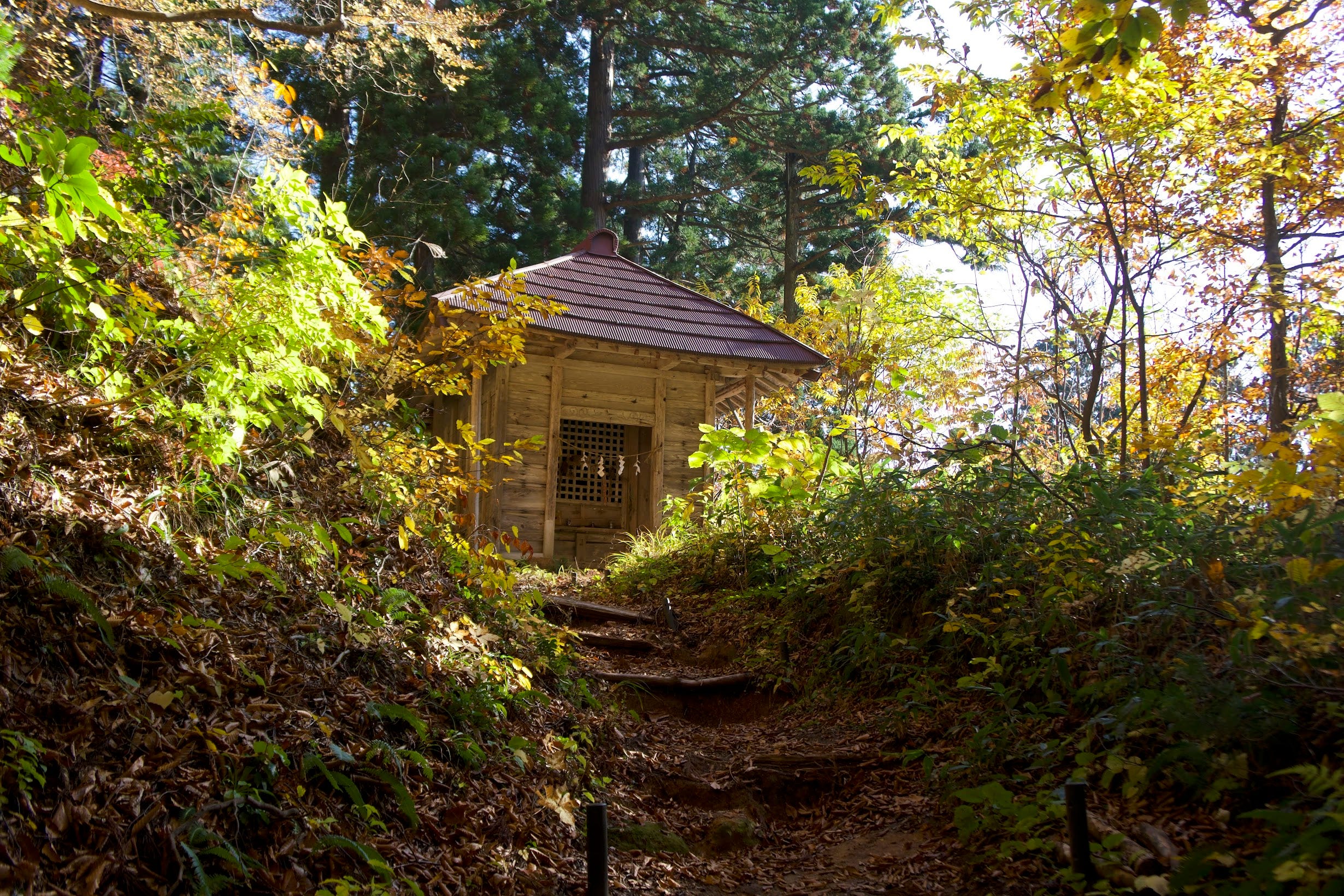
Dad died doing what he loved, being outdoors. That the trail he was walking on was called The Stairway to Heaven is a bit ironic, but I guess you really can’t get any closer (it’s a great trail! Even in the worst weather. Watch the video to see what I mean).